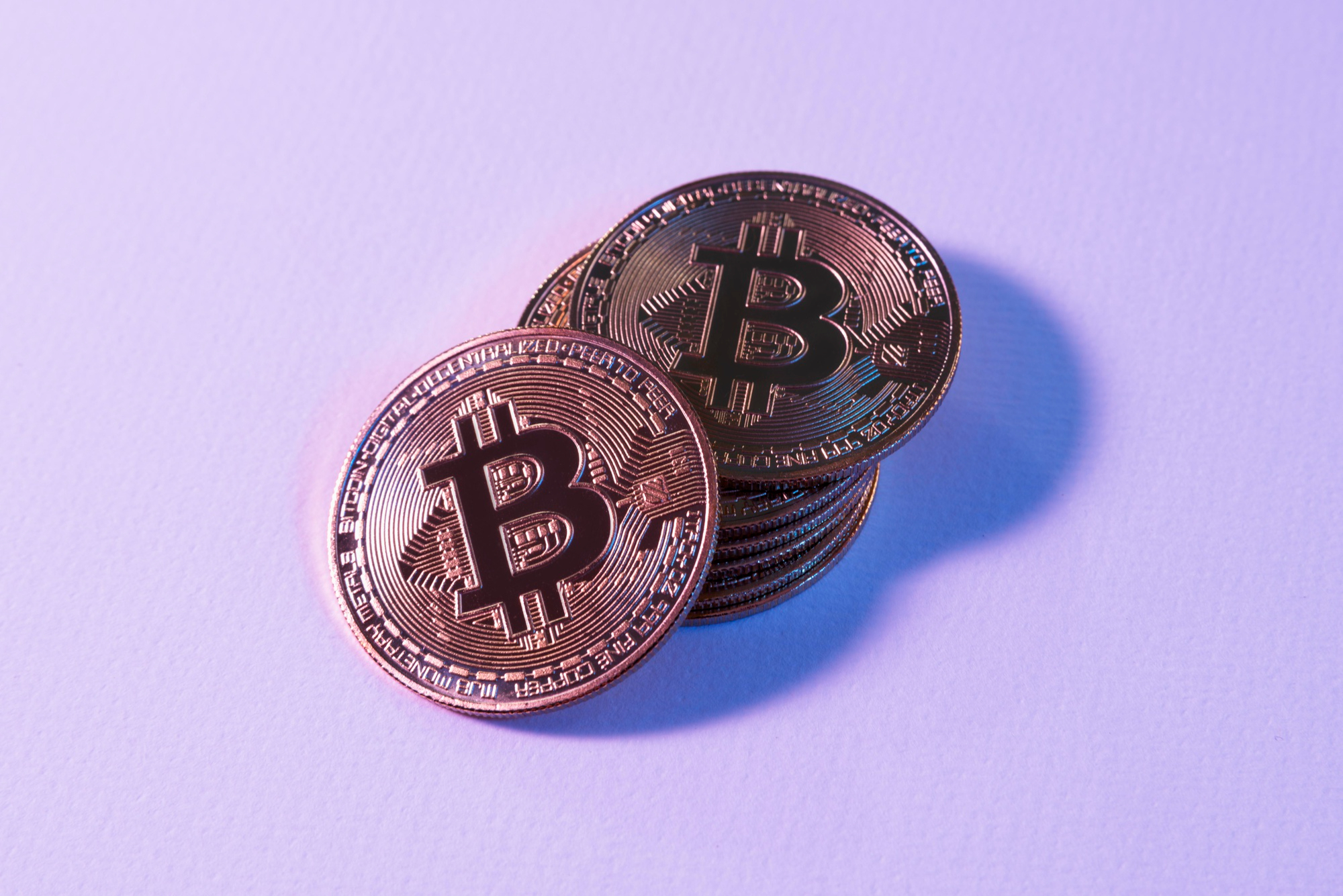
Over the last decade, cryptocurrency has grown from a fringe digital experiment to an accepted global financial instrument. By 2025, there is hardly going to be anything weird about buying real-estate with crypto; in fact, it is increasingly legitimate and much-sought-after as a way to buy property—whether a posh penthouse in Dubai or a suburban U.S. house.
What this therefore means is a broader horizon for diversification-seeking investors or for holders of crypto who now wish to convert their digital assets into bricks and mortar.
This guide helps to understand why and therefore the rising use of cryptocurrency on the property market, how to go about buying property safely, as well as which countries are doing more than others as far as enabling real-estate trades that are powered by crypto.
Why Cryptocurrency Is Ideal for Real Estate
Speed and Efficiency
Normally, business in real-estate tends to delay when international buyers are involved. This is because trades can take weeks due to banking procedures, checks by the middleman, and money conversion into another country’s currency. In the case of cryptocurrency, however, the time taken for a trade is extremely low. Funds get transferred and validated in minutes, even across borders. This speed essentially becomes useful in competitive belongings markets where a deal can be lost through a simple delay.
Reduced Transaction Costs
More often than not, bank wires, deals of currency, and payment processors end up eating into what had been allocated for the buyer. Trade fees in cryptocurrencies are usually below 1%, while they could be between 2–5% for multiple international bank transfers on regular occasions. The gap can turn out to be tens of thousands of dollars saved over high-value trades.
Security and Transparency
This is a blockchain technology that gives one the protection of an unalterable, timestamped ledger of every trade. In property deals, its transparency could help reduce risks of fraud and assure that every step of the compensation method is traceable.
Attracting Younger Buyers and Global Investors
Growing in a digital economy, both Millennials and Gen Z have an essential advantage in having crypto wallets and assets based on a blockchain. This convenience is important not only in their home countries but also in international investments that require using digital money for countries with strict limitations on exchanging currency and the volatility of the national paper obligation.
Tokenization and Fractional Ownership
Other than making full-property purchases, blockchain offers property tokenization—anything from a property being broken down into digital tokens representing a fraction of a stake in the property. Now, this model would bring high-value markets within reach of small investors in places like Manhattan or central London with one added benefit: resale is far easier as compared to traditional partial ownership schemes.
2. How to Buy Property with Crypto in 2025
The buying process varies depending on the country and the seller’s flexibility, but in general, there are three main approaches.
A. Direct Purchase from a Crypto-Friendly Seller
Some developers and private sellers accept cryptocurrency directly. For example, several major developers in Dubai, such as DAMAC and Emaar, publicly state that they accept Bitcoin and Ethereum. In these cases, you may pay entirely in crypto or use a remittance processor that converts your crypto to local currency at closing.
B. Hiring real estate companies that accept crypto.
- This is where the role of brokering agencies and platforms as intermediaries between the buyer and the seller becomes very effective. RealOpen allows a buyer to make a bid on any effects while holding his money in a cryptocurrency. At the moment of deal, this service will convert the crypto into order to make sure that the vendor realizes their property in currency, while the buyer takes advantage of paying assets in digital form.
- The luxury real estate powerhouse Christie’s International Real Estate has been enabling its customers to set up a dedicated cryptocurrency division since 2025. One way in which this service can be extended to high-net-worth clients is by providing private and legally compliant trades in the purchase and sale of multi-million-dollar homes worldwide.
C. Tokenize on Realecoin’s Platform
- Various platforms allow investors to purchase fractional shares of tokenized real estate. For just a few hundred dollars in crypto, you can purchase fractional ownership of rental properties, receiving proportional rental income while benefiting from the property’s appreciation.
- Crypto Real-Estate Leading Nations
- While the idea is global, the execution may be immediate in one jurisdiction and slow in another.
- United Arab Emirates, Dubai: The world’s leading adopter of real-estate cryptos, Dubai is best known for its business-friendly environment coupled with advanced visions. A series of state-backed schemes not only encouraged developers to work in crypto payments but also had a legal framework that was friendly to local as well as foreign buyers.
- Portugal: With a crypto-friendly tax system and many expatriates, it is starting to put itself on the top of this list in terms of the European hotspots of crypto property trades.
- Turkey: Increasingly, developers based in Istanbul and the coastal resort towns are accepting Bitcoin, with an eye always focused on foreign investors from Europe and the Middle East.
- United States (Miami, Los Angeles, New York): At the luxury end of these real-estate markets, there has been a number of multimillion-dollar sales closing wholly in crypto, underpinning increased levels of mainstream acceptance.
El Salvador happens to be the first country that set Bitcoin as a legislated means of legal tender; now, in the same vein, El Salvador also encourages the use of Bitcoin rather actively, in tourism and development projects.
How to Secure a Real Estate Purchase with Cryptocurrency
- Verify Legal Standing—Not every country legitimizes crypto concerning property; research the regulations of the target location in advance or simply speak with a legal representative.
- The Right Payment Method—Choose to pay directly in crypto, work with a remittance processor, or convert it to fiat before closing.
- Volatility Management—Cryptos can be highly volatile. You might want to consider working with a stablecoin like USDT or USDC so that there are no last-minute valuation concerns or locking in an exchange rate through an escrow service.
- Work with Real Pros – This includes agencies, attorneys, notaries, and any other parties concerned in the transaction who had been experienced in trading in cryptos. This will reduce the risk of any delays or problems arising from incompetence.
- AML and KYC Compliance Requirements – Real-estate transactions would expose one to anti-money laundering checks. Full documentation readiness should be there for the crypto holdings and the origin of funds.
Real Estate is the Future of Crypto
Tokenized actual estate is seen by some experts as an important asset class in the next decade. Such an asset class may also be in the range of trillions of dollars across the globe. Soon, buying, selling, or perhaps mortgaging possessions will become more in harmony with traditional finance, but quickly accelerated by the development of blockchain infrastructure.
Trailblazers in luxury real-estate such as Christie’s are leading the way toward institutional engagement, whereas countries like Dubai demonstrate how a whole sector can embrace crypto without losing legal guarantees. At the same time, fractional ownership platforms open real-estate acquisitionsto a previously untapped demographic: younger, tech-savvy depositors.
What is the next big crypto to invest in in 2025?
Analysts point to projects like Remittix (RTX), which combines payment solutions with staking rewards, as a strong contender for significant growth.
Which crypto has 1000× potential in 2025?
Early-stage tokens such as Bitcoin Hyper (HYPER), Maxi Doge (MAXI), and AI-driven projects like Fetch.ai (FET) are considered high-risk but could deliver exponential returns.
Is it a good time to buy crypto in 2025?
With institutional adoption on the rise and crypto becoming integrated into industries like real-estate, 2025 offers strong potential for growth. However, volatility remains high, so thorough research is crucial.
Which crypto will 100× in 5 years?
Established blockchains such as Ethereum, Solana, and Cardano have strong fundamentals for long-term growth, while smaller, innovative projects may deliver higher multiples at greater risk.