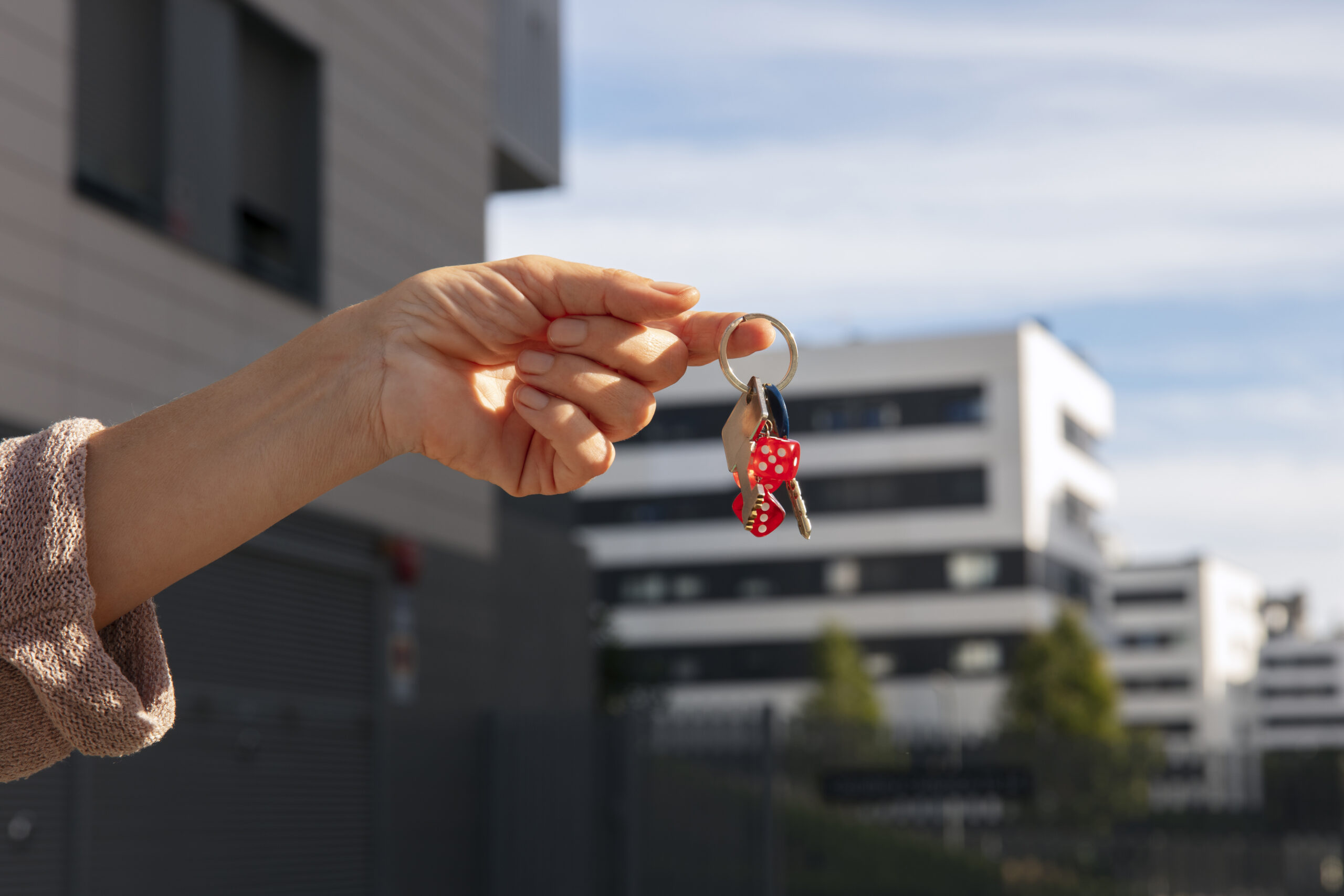
Are you dreaming about acquiring new real estate? It is a very responsible step which requires a lot of careful stages. Sometimes it can be really complex, but the result you get is always pleasing.
Purchasing housing in another country can be a more complicated process than in your home nation. That’s what we’ll discuss in this article—the main steps for acquiring real estate abroad.
Researching the area
First of all, you have to spend time getting to know the place where you want to buy. Don’t just rely on online pictures or a short holiday trip. Try visiting at different times of the year and stay for a while.
It’s also a good idea to talk to local people and other foreigners who live there. Ask them what they love about the area—and what challenges they face. This will give you a real feel for the place, not just the sales pitch.
Learning the local property rules
The varying laws in different countries concerning the purchase of property by foreigners also had some variations to it. In some places, it is possible that one can purchase land and buildings just like local people do, while in others only lease land or have to buy through a local partner.
Make sure you understand exactly what you’re allowed to buy. Find out if the property is held on a freehold or leasehold tenure. Check if you can rent it out after your buy; make renovations on it, or reside in it on a full-time basis.
And probably most important of all, use a local attorney who speaks your language and works at your discretion; they can tell you exactly what is happening and make it happen the right way.
Checking papers
If you find the housing you like, then you have to go through an authenticity check of the papers and documents associated with it. For this, you can ask your lawyer to find out who’s the owner, if the owner has any outstanding bills or taxes, and if the building is legally constructed.
Many people build houses in countries without proper licensing of any kind, or else they make bad buying deals off real estate. You don’t want to buy somebody else’s mistake.
Don’t believe a word unless you hear it from a professional who checks both of the following official papers: the title deed and land registry.
Also, make sure you translate all important papers so you get to read and understand them fully before signing anything new.
Inspecting the property
Photos can be deceiving, and some problems are very easy to cover up. Ask to have someone go around the dwelling and inspect it—a local surveyor or perhaps a builder you can trust. They’re going to look at things such as the roof, walls, plumbing, and electricity. This could save any horrible surprises later.
Check the development of the housing, and if it is new or under construction, know about the developer’s background. Ask for references and visit other projects they have undertaken so that you can be sure of getting what has been promised.
Sorting out finances
When purchasing property for sale abroad, it’s not just the price of the home you need to think about. There are extra costs that can add up to 10–15% more than the sale price.
Also, if you’re paying in a different currency, be careful with exchange rates. A small change in the rate can make a big difference in your cost. Some people use foreign exchange companies to lock in better rates and save money.
Opening a local bank account can also help with paying bills and managing ongoing costs. And if you need a mortgage, check whether local banks lend to foreigners or if you’ll need to borrow in your home country.
Understanding the tax rules
Buying a house abroad might affect your taxes in two countries—where you live and where the property is. You could have to pay tax on rental income, property ownership, or profits when you sell.
Some countries also have inheritance taxes or wealth taxes. These rules can be confusing, so it’s smart to talk to a tax expert who understands both your home country and the one where you’re buying.
Don’t forget to check if you need to declare your foreign property to your government. Many countries now ask their citizens to report overseas assets.
Insurance and upkeep
You’ll want to protect your new home, especially if you won’t be living there all the time. Make sure you get a good insurance policy that covers damage, theft, and natural disasters (if they apply).
If you’re not living in the home year-round, you might want to hire a local property manager. They can help keep the place clean, collect rent if you’re renting it out, and handle repairs.
Also, check if there are local rules about renting out homes to tourists. Some places require permits or limit short-term rentals.
Be careful when signing
Never rush to sign a contract or send a deposit without double-checking everything. Make sure the sale depends on getting a loan (if needed) or passing a property inspection. This protects your money if something goes wrong.
Use an escrow service or trusted lawyer to hold your funds during the process. Always get receipts and copies of everything you sign.
Even if the seller seems friendly, remember—this is a legal transaction in a foreign country. Being cautious now can save you huge problems later.
Our services
In case you have any questions, turn to EliDeal. Our experienced specialists will help in comprehending different complex details and accompany you during the procedures you are about to carry out.
Whatever the request and chosen country, we will help you and make your path to the world of real estate easier.
Conclusion
Acquiring real estate abroad is a big step, but it doesn’t have to be risky if you take it slowly and do your homework. Visit the area, hire the right professionals, and don’t cut corners.
This checklist is here to help you make smart, safe decisions. Take your time, ask lots of questions, and trust your instincts. A great home is out there waiting for you—you just need to buy it the right way.