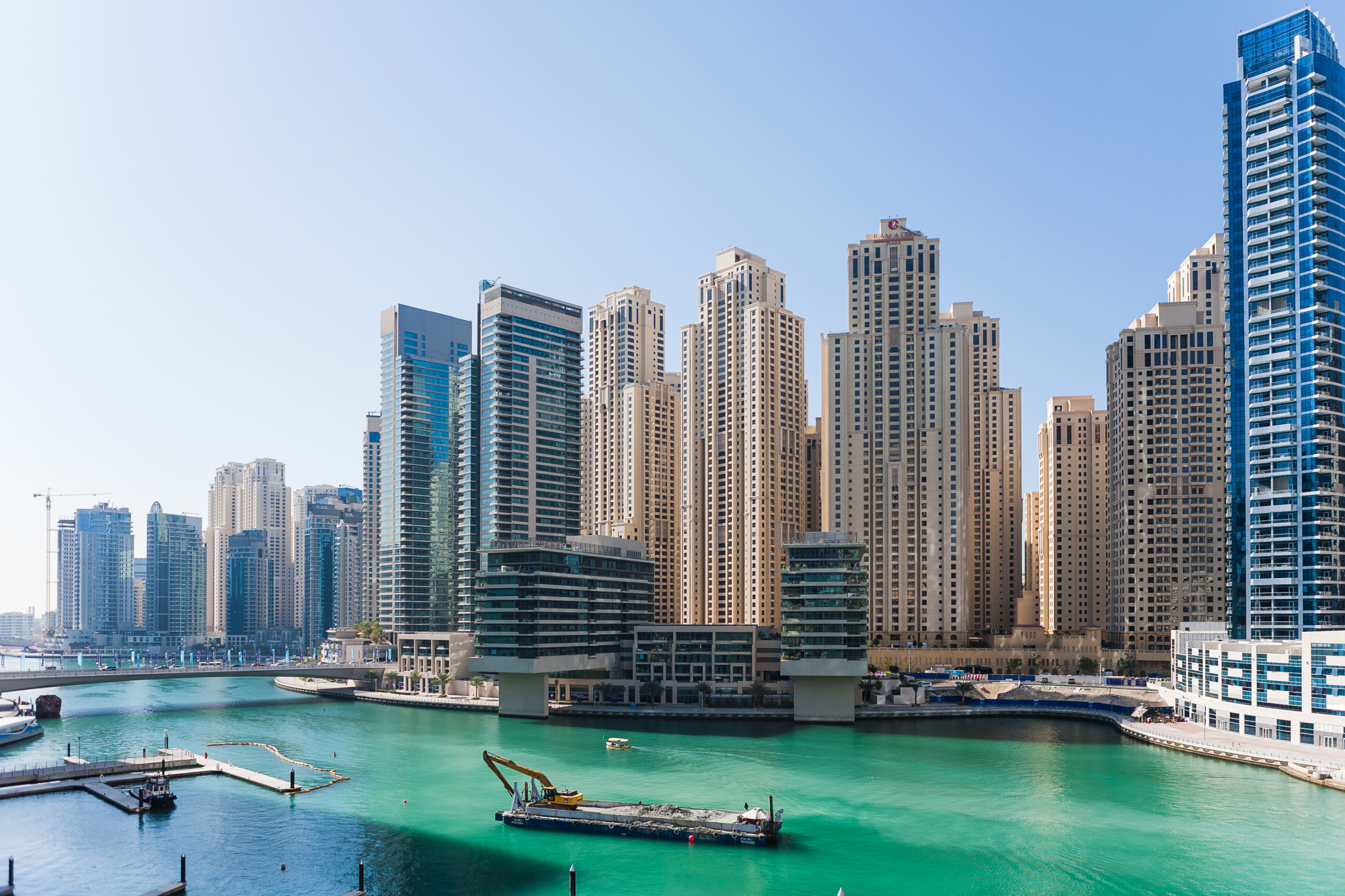
This direction’s householding sphere continues to thrive, transforming its status as a premier place for financiers searching for property for sale in the UAE. In the early past, the sphere gained an impressive AED 35.2 billion (US$9.6 billion) in transferring operations, with 13,043 householding deals—marking a 22.9% augment in price and a 23.1% lift in volume. This remarkable growth is fueled by deliberate regulatory reforms, including enlarged freehold proprietorship and a data-driven rental framework, making this region an even more alluring trade for regional and cross-border financiers.
Freehold Enlargement Suggests Prime Investment Venues
One of the most shifting hurdles in Dubai’s householding landscape is the adjustment of the biggest agglomerations into freehold zones. This groundbreaking move allows cross-border financiers to own luxury householdings in these highly strategic places, significantly boosting trade liquidity and revealing cutting-edge venture capabilities.
Industry experts are praising this regulatory shift as a transformative move. The rapid pace of regulatory changes in this direction is creating a highly enchanting venture sphere, characterized by cleverness and strong liquidity. International financiers are gradually drawn to the city, recognizing its aptitude to suggest resilient returns, equity rise, and a legislative scheme that supports sustainable, persistent prosperity.
This shift is predicted to fuel reconstruction initiatives, encourage persistent householding prices, and further solidify the region’s status as a worldwide householding centre.
New Developments and Resale Activity Demonstrate Market Evolution
The householding sphere of this region is illustrating a healthy balance between pre-construction and existing householding merchants, showcasing its profundity and refinement. In the last month, off-plan transfers accounted for more than $4 bill., while the existing trade recorded more than $5 bill.
This balance is crucial for maintaining marketability, permitting builders to cater to both speculative financiers searching high-growth opportunities and end-users searching for existing householdings. The steady outcomes of the resale trade further highlights the region’s enlarging appeal among dedicated financiers who define the city’s capabilities to suggest both immediate returns and sustainable capital appreciation.
Pro-Rent Index Enhances Market Clearness
Another major factor driving investor confidence is the Dubai Land Department’s value which is a tool or metric that tracks and measures various factors within the rental market, such as rental prices, demand trends, and property performance. It is designed to furnish insights into market conditions and help financiers, landlords, and tenants make informed decisions by offering a clear view of the rental landscape. Typically, such an index enhances clearness, forcing stakeholders to understand trade fluctuations, spot venture prospects, and assess the overall health of the housing rental sphere. By increasing predictability in rental returns, this initiative makes Dubai’s property market even more attractive for those seeking stable, long-term investments.
The improved legislative scheme aligns with Dubai’s dedication to resilient enlargement and investor-friendly policies, ensuring that both short-term and long-term financiers can maximize their returns in a highly competitive trade.
Upscale and Mid-Market Spheres Retain Financiers Request
Dubai’s aptitude to serve a wide scope of buyers persists one of its greatest strengths. The prosperity market continues to thrive, with villas on Palm Jumeirah averaging more than $12.8 mill, reflecting sustained requests for premium residences. At the same time, JVC and DAMAC Hills 2 are hotspots for mid-trade financiers, offering high-quality residential options at alluring price points.
This dynamic pricing structure ensures that this region remains accessible to both high-net-worth individuals and middle-income financiers, driving steady demand across all segments of the market.
Dubai’s Householding Outlook: A Thriving Trade on the Rise
Projecting, Dubai’s house holding sphere is well-positioned for sustained expansion. The emirate’s dedication to legislative base, amenities development, and resilient urban enlargement is reinforcing its status as a worldwide trailblazer in these sophistications.
With increased equity inflows from institutional financiers, continuous urban renewal projects, and a robust regulatory ecosystem, Dubai’s householding sector is set to retain its skyward trajectory farther than 2025. As requests for householding continues to grow, the city’s market remains one of the most attractive and dynamic in the world.
By continuously evolving through strategic policy changes, smart investments, and forward-thinking development, Dubai is not just keeping pace with global trends—it’s setting new benchmarks for the future of real estate.