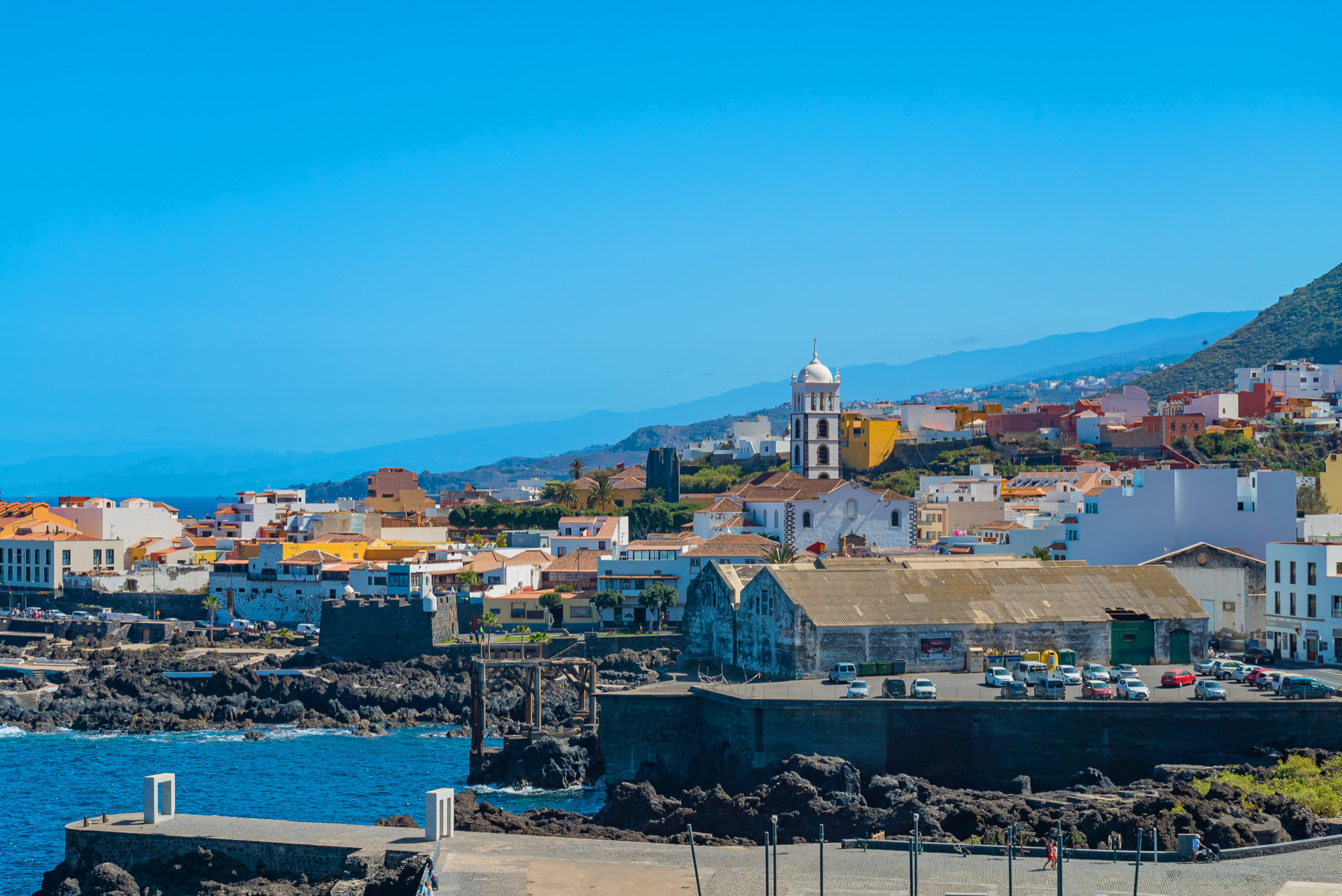
Often deemed as the pearl of the Mediterranean, Malta has a rich history, developed culture, and offers excellent economic prospects. It is strategically located between Europe and North Africa and enjoys a quality of life second to none, with the best medical offerings and education systems in place, and access to the EU. Well, among the very unique pros of the state is that you can get citizenship by the special scheme.
This guide will make you go over the main information about this topic.
Pros of Local Citizenship
It will bring an investor many personal, professional, and financial perks, meaning it is a very tempting proposition. One striking advantage among others is visa-free travel. With a nation’s passport, you can enter 187 countries in the world without having to apply for a visa beforehand, these countries being the US, UK, Canada, the Schengen Area, Japan, and Singapore, among others.
EU citizenship implies having full EU rights. In practice, this means that a local passport holder is able to live, have a job, study, and move freely in the EU, encompassing Germany, France, Italy, and so forth. He could equally reside in EEA countries, such as Norway, Iceland, Liechtenstein, even Switzerland, without any hassle.
Another key advantage would be the high standard of public healthcare. Malta’s medical system ranks as one of the best in Europe, where citizens are granted free examinations and treatments-at government clinics and may benefit from subsidized or free medicaments.
Education will also be more accessible to the state’s inhabitants, who would have the opportunity to enroll in schools and universities across the EU without the need for a student visa. Many times, they can avail it at reduced tuition fees.
For business professionals, this citizenship opens the door to establishing companies within any EU member state. This entry to a unified economic zone greatly simplifies international trade and investment activities. Finally, Malta’s political stability, economic resilience, and strong legal protections provide a protected environment in which investors and their families can thrive.
Investment and legal demands
Those wanting to apply must satisfy several conditions:
- Putting money to Malta’s NDSF: €750,000 for citizenship after 1 year of living, or €600,000 after 36 months;
- Donation to Charity: €10,000 to a registered Maltese NGO;
- Real Estate: Either buy property for sale worth at least €700,000 or rent with a minimum yearly lease of €16,000 (for at least five years);
- Dependents: Each complementary member of a family (partner, kids under 29, dependent parents or grandparents) costs €50,000;
- Other Demands: Clean criminal record, medical clearance, and successful completion of an assessment course of action.
Application course of action
The procedure includes three stages:
- RP: The person who applies and family must first obtain local residency. Citizenship can be applied for either after 1 or 3 years of living here;
- Assessment: The country applies a four-tier evaluation course. This encompasses checks on source of funds, global databases, and fiscal history. The primary applicant pays €15,000; each dependent, €10,000;
- Request: Upon passing the background checks, the person gets a letter of approval in principle. At this point, all financial commitments must be fulfilled. The person then takes an oath of allegiance in the boundaries of half a year. The status is given once all conditions are met.
Important moments
One of the fundamental things that need to be considered is whether the country permits dual and multiple citizenships; this means that successful applicants are not supposed to necessarily give up their original nationality if the home country allows it.
Perhaps the other factor is the long-term commitment that is demanded of the candidate. For instance, the applicant will have had to ensure that the real estate is held by him or her for a minimum period of five years, be it by way of acquisition or lease. Selling the housing before the expiration of such a period or terminating the lease would put into disrepute the gain of citizenship.
Besides, people have to be very strict about their eligibility and that which permits the addition of family members. Spouses are allowed, so are the children—provided they are not married—and are normally dependent on the primary applicant financially. In some cases, it may be dependent on parents or grandparents, but only on the proof basis where there is proper documentation showing such dependence on the applicant.
One other very realistic issue is that of the timeline. One year obviously means a quicker direct track to the status in question but with the heaviest fiscal implication. Three years, of course, is more affordable but it also means more residency and fiscal commitment. Whichever way is a lot of planning, proper legal guidance, and documentation.
The assistance of specialists
EliDeal provides practical support at all stages of the application process. We help clients collect and prepare financial documentation, structure asset transfers, and complete required property transactions. We also assist in meeting due diligence standards and coordinating with relevant legal and administrative bodies.
Specialist works with clients who need to manage timelines, confirm eligibility for dependents, and maintain compliance over the required holding period. EliDeal’s involvement reduces errors and delays, particularly in complex cross-border filings.
For individuals pursuing relocation through capital-based routes, EliDeal acts as an operational partner focused on execution and risk management.
Conclusion
Malta’s Citizenship stands out not only due to its exclusivity within the EU, but also because of the perks it brings. While the process demands a considerable monetary contribution and includes rigorous vetting, the outcome provides exciting favorable circumstances in terms of lifestyle, multinational mobility, and long-term security. For those who satisfy the suitability criteria and seek a stable, EU-based citizenship option, the nation remains one of the most compelling destinations in the world. From its rich cultural heritage to its modern business landscape, the region is more than a place to invest—it is a place to call home.