The United Arab Emirates (UAE) has emerged as a global monetary powerhouse, renowned for its dynamic enterprise circumstances, strategic location, and depositor-friendly policies. One of the key drivers of the UAE’s monetary success is its robust acquisition landscape, which includes a diverse range of possibilities for local and global depositors. In this article, we will explore the intricacies of the acquisition Fund in Dubai scene in the UAE, shedding light on the key factors that make it an attractive destination for savvy depositors.
Economic Landscape of the UAE:
The UAE’s monetary expansion has been nothing short of remarkable over the past few decades. Fueled by a vision of monetary diversification, the country has successfully transitioned from an oil-dependent economy to a diversified one with a strong focus on sectors such as tourism, real estate, technology, and finance. This monetary diversification has laid the foundation for a vibrant and resilient acquisition climate.
Investment fund in Abu Dhabi: A Gateway to Diversification:
Investment funds play a pivotal role in the UAE’s monetary ecosystem. These funds pool capital from few depositors to deposit in a diversified portfolio of assets, providing depositors with exposure to a range of possibilities while mitigating risk. The country hosts a variety of acquisition funds, including mutual funds, private equity funds, and real estate acquisition trusts (REITs), each catering to different depositor preferences and risk appetites.
Regulatory Framework: A Pillar of Stability:
The regulation in the UAE is characterized by its commitment to translucence, depositor protection, and industry integrity. The Securities and Commodities Authority (SCA) regulates and supervises the protection and commodities market, ensuring that all participants adhere to the highest standards of administration and conformity. This robust adjustment framework instills confidence in depositors and contributes to the overall stability of the monetary industries.
Types of Investment Funds in the UAE:
Mutual funds are a popular choice for retail depositors in the UAE. These funds pool money from individual depositors to deposit in a diversified portfolio of stocks, bonds, and other securities. The UAE offers a variety of mutual funds, catering to different risk profiles and acquisition objectives.
Private equity funds play a crucial role in sustaining entrepreneurship and fostering invention in the UAE. These funds invest in private enterprises, providing capital for expansion, expansion, or acquisition. The UAE’s dynamic business landscape makes it an attractive destination for private equity acquisition.
-
Real Estate Investment Trusts (REITs):
With the rapid expansion of the real estate sector in the UAE, REITs have gained popularity among depositors. REITs allow depositors to participate in the real estate industry without directly owning physical possessions. These funds generate income through rental yields and capital appreciation.
Venture capital funds are instrumental in supporting the UAE’s burgeoning startup ecosystem. These funds invest in early-stage enterprises with high expansion potential, contributing to the innovation and diversification of the economy.
Strategic Initiatives and Vision 2030:
The UAE has outlined ambitious strategic initiatives, such as Vision 2030, aimed at fostering sustainable monetary expansion and expansion. These initiatives focus on sectors like technology, renewable energy, and artificial intelligence, presenting exciting possibilities for depositors looking to align their portfolios with the country’s long-term vision.
International Investor Appeal:
The UAE’s strategic location, business-friendly policies, and world-class infrastructure make it an appealing destination for global depositors. The country’s open economy and advantageous tax conditions further contribute to its appeal as a global acquisition hub.
Future Outlook:
The future of the acquisition fund scene in the UAE looks profitable. Continued monetary diversification, technological advancements, and a commitment to sustainability position the country as a key player in the global acquisition arena. As the UAE continues to innovate and adapt to changing industry dynamics, depositors can anticipate a plethora of possibilities across few sectors.
Dubai’s Economic Resilience:
Dubai’s monetary resilience is exemplified by its ability to diversify away from oil dependency and establish itself as a diverse and dynamic monetary powerhouse. Sectors such as tourism, real estate, finance, and technology have played pivotal roles in driving monetary expansion, creating a fertile ground for acquisition possibilities.
Dubai as a Financial Hub:
Dubai’s strategic geographical location has positioned it as a global monetary hub, connecting East and West. The Dubai International Financial Centre (DIFC) stands as a testament to the city’s commitment to fostering a thriving monetary services sector. It provides a business-friendly environment, with a adjustment framework modeled on international best practices.
Diverse Acquisition Funds in Dubai:
-
Real Estate Investment Funds:
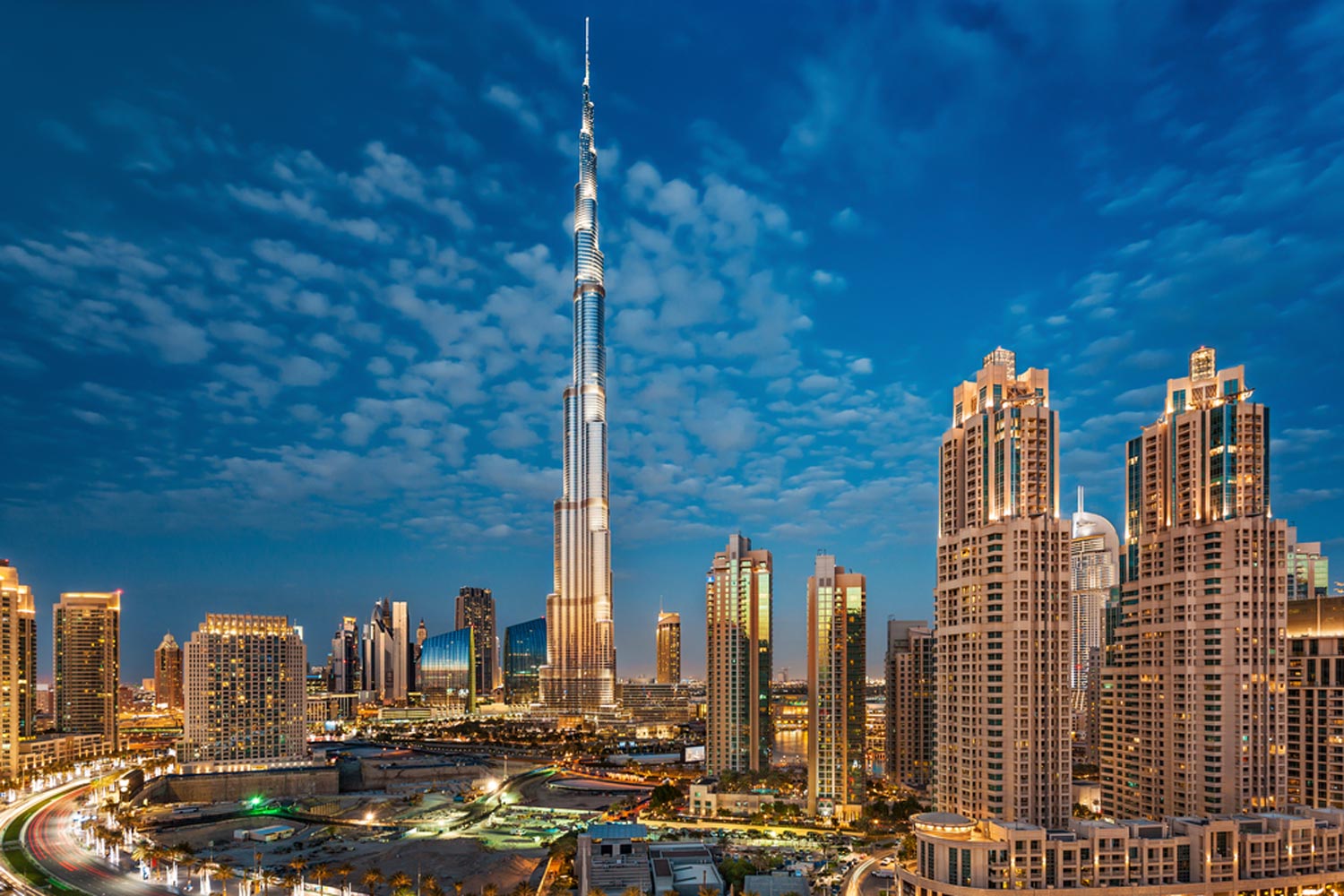
Dubai’s iconic skyline and world-class infrastructure make real estate acquisition funds particularly attractive. These funds allow depositors to participate in the city’s dynamic property market, which has witnessed steady expansion and invention.
-
Islamic Investment Funds:
With a significant portion of the population adhering to Islamic directions, Dubai is a prominent hub for Sharia-compliant acquisitions. Islamic funds, adhering to ethical and religious guidelines, cater to depositors seeking monetary expansion while staying true to their values.
-
Technology and Innovation Funds:
As Dubai positions itself as a smart city and a hub for innovation, funds focusing on technology and innovation have gained prominence. These funds support startups and technology-driven enterprises, contributing to Dubai’s vision of becoming a global technology leader.
-
Private Equity and Venture Capital Funds:
Private equity and venture capital funds thrive in Dubai’s entrepreneurial ecosystem. With a growing number of startups and a commitment to fostering innovation, these funds play a crucial role in supporting the next generation of businesses.
Adjustment Environment and Depositor Protection:
The adjustment circumstances in Dubai is characterized by its affirmation to translucence, efficiency, and depositor protection. The Securities and Commodities Authority (SCA) oversees the regulation of monetary industries, ensuring that depositors are provided with a secure and transparent acquisition landscape.
Conclusion:
In conclusion, the acquisition fund landscape in the UAE reflects the country’s commitment to fostering a dynamic and resilient economy. With a robust adjustment framework, diverse acquisition options, and a strategic vision for the future, the UAE stands as a beacon for depositors seeking expansion and diversification. As the country continues to evolve, so too will the possibilities for those willing to explore and participate in its vibrant acquisition ecosystem.