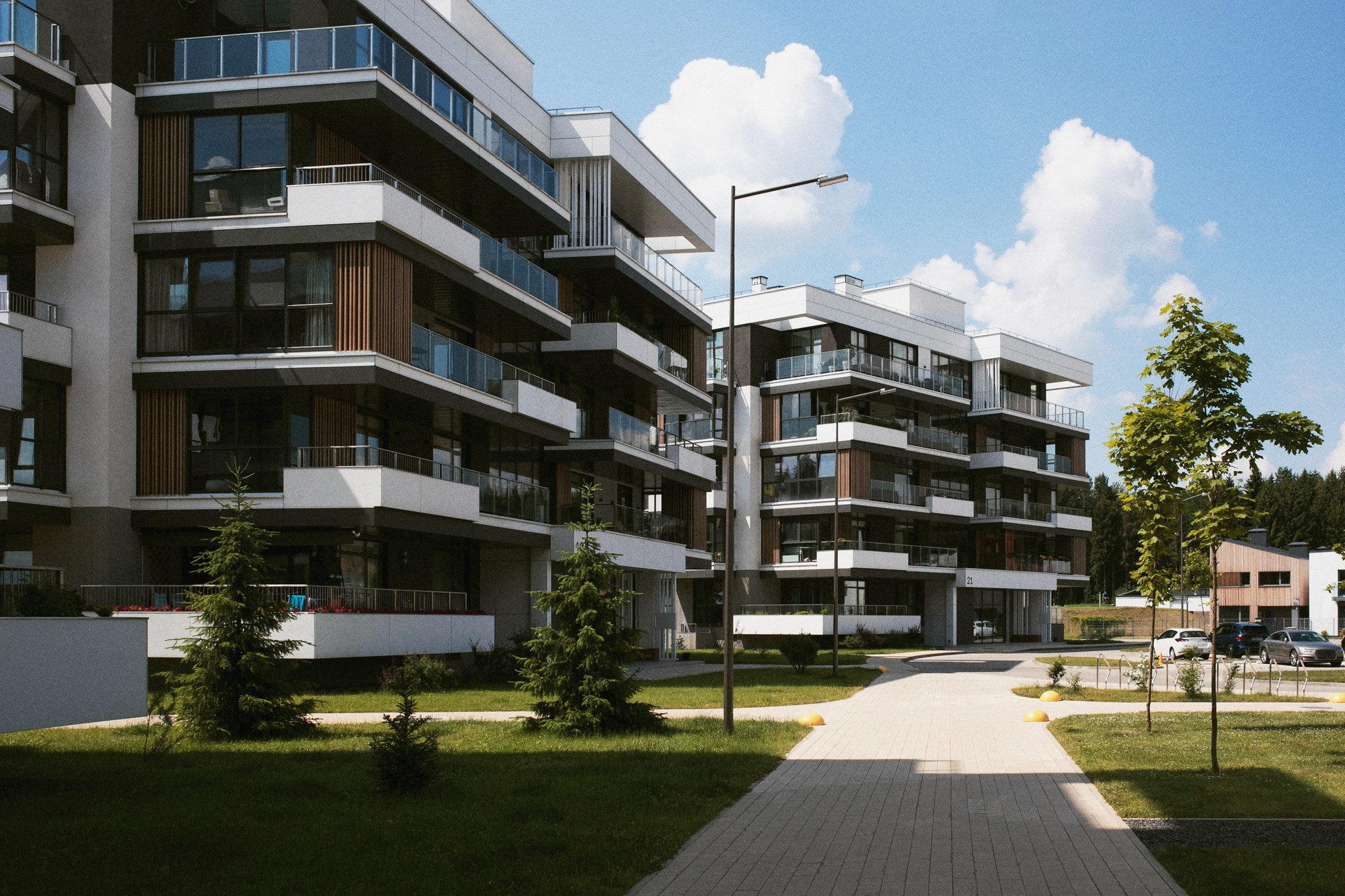
Diversifying assets overseas through real estate acquisition still seems like a fantastic strategy for the future, even in today’s world full of fluctuating economies and global uncertainty. Apart from probably good financial returns, it delivers a couple of lifestyle benefits and global security that other investments fail to meet. Here is why it is still compelling to own property internationally in 2025.
Diversify Beyond Your Borders
Putting all your assets in one country leaves you exposed to that market’s every twist and turn—whether it’s political shifts, economic decrease, or abrupt policy changes. Investing abroad spreads your risk and gives you a financial foothold in another currency and region. It’s not just diversification—it’s smart insurance for your wealth.
Higher Rental Yields
While rental income has plateaued in most Western markets, it is increasing in some real estate markets. The highest rental returns can obviously be had in emerging markets or other tourist-friendly hotspots. Tourists are returning to southern Europe, Southeast Asia, and a few countries in the Middle East. Now the backers are cashing in on the short-term rental surge.
Bali is yet another point of interest. One should pay special attention to investment in hotels or boutique hotels, which are particularly interesting due to low construction costs and high occupancy rates.
Also of interest is Turkey. There are regions with low levels of entrance and high tourism activity levels, with a possibility of obtaining a residence permit.
Pay special attention also to Cyprus. This country experiences the demand for apartments in other tourist areas slightly in excess of investing in hotel infrastructure. It is more interesting to consider the program for obtaining a permanent residence permit through investments, tourist cluster creation, and being able to become a co-owner or supporter of resort real estate.
Popularity on hotel chains
In 2025, one of the brightest trends is putting money into real estate under the brand of large hotel chains — Radisson, Wyndham Grand and others. Such facilities offer not only prestige and recognizability, but also fully automated management, high standards of service and guaranteed profitability. These projects are actively developing both in tourist destinations (Bali, Cyprus, Turkey) and in metropolitan areas.
For the backer, this means: less operational stress, higher tenant confidence and more confidence in the liquidity of the property.
A Natural Inflation Hedge
Inflation can eat away at money and fixed-income investments, but real estate tends to keep pace—or even outpace—it. As prices rise, so do rents and property values. In high-growth areas, this effect is amplified, helping protect your purchasing power while steadily building equity.
Tax Perks and Residency Options
Some states provide a new home to those who invest in real estate or other businesses, giving them, in many cases, a new citizenship. It guarantees higher mobility and access to better services, sometimes with more favorable taxation. In many countries, capital gains are not taxed, meaning a much higher quantum of returns is retained with the investor. The long stay visa against property follows spending time abroad.
A Lifestyle Upgrade
A beachfront apartment in Portugal or a countryside villa in Thailand isn’t just an asset—it’s a place to live, work remotely, or vacation. Many properties come with turnkey management, making it easy to earn rental income when you’re not there. It’s a way to enjoy the good life while your investment works for you.
Tapping Into Undervalued Markets
Not all real estate markets are created equal in terms of peak real estate prices, with Greece and Turkey offering good value, as are parts of Eastern Europe. Increased digital nomad interest in these locations will further reinvigorate tourism and expat interest. Real opportunities lie in these emerging markets, with demand for such properties being bound to increase, hence the prices.
Easier Than Ever to Manage
Thanks to digital tools and global property services, owning a place abroad no longer means constant stress. From booking platforms to full-service property managers, everything can be handled remotely. You get the benefits of ownership without the day-to-day hassles.
Building a Legacy That Spans Continents
Do not regard international property as just an investment but as a legacy. Pretty soon, that building on foreign soil will become a legacy of your family and pass on to scions of every generation. It will bind your dear ones with stories of alien cultures and life ways money just cannot buy.
A Backup Plan for Uncertain Times
When things feel unstable at home—economically or politically—it helps to have options. A second home abroad can offer peace of mind, giving you somewhere to go if you ever need a fresh start. It’s about security, freedom, and having a Plan B.
Be Smart About It
Overseas investment comes with its fair share of problems: local laws, property taxes, differences in language, and unfamiliar legal systems. Proper assessment with the right advisors and careful planning makes those challenges easy to buck, and the rewards can be quite grand.
Our services
If you are mulling over acquiring a housing, turn to the specialists of EliDeal. Our experienced lawyers will help in comprehending different complex details and accompany you during the procedures you are about to carry out.
Whatever your request, we will help you and make your path to the world of real estate easier.
Conclusion
By 2025, international real estate continues to be probably the most flexible, rewarding way of growing wealth and improving lifestyle and securing future risks. It just doesn’t matter if you are just chasing returns and your own place to retreat from it all, or you are striving to build something lasting for your family—putting your money in property overseas may be the most impactful investment you ever make.