Crypto Regulating in Poland 2023

Published:
March 9, 2025
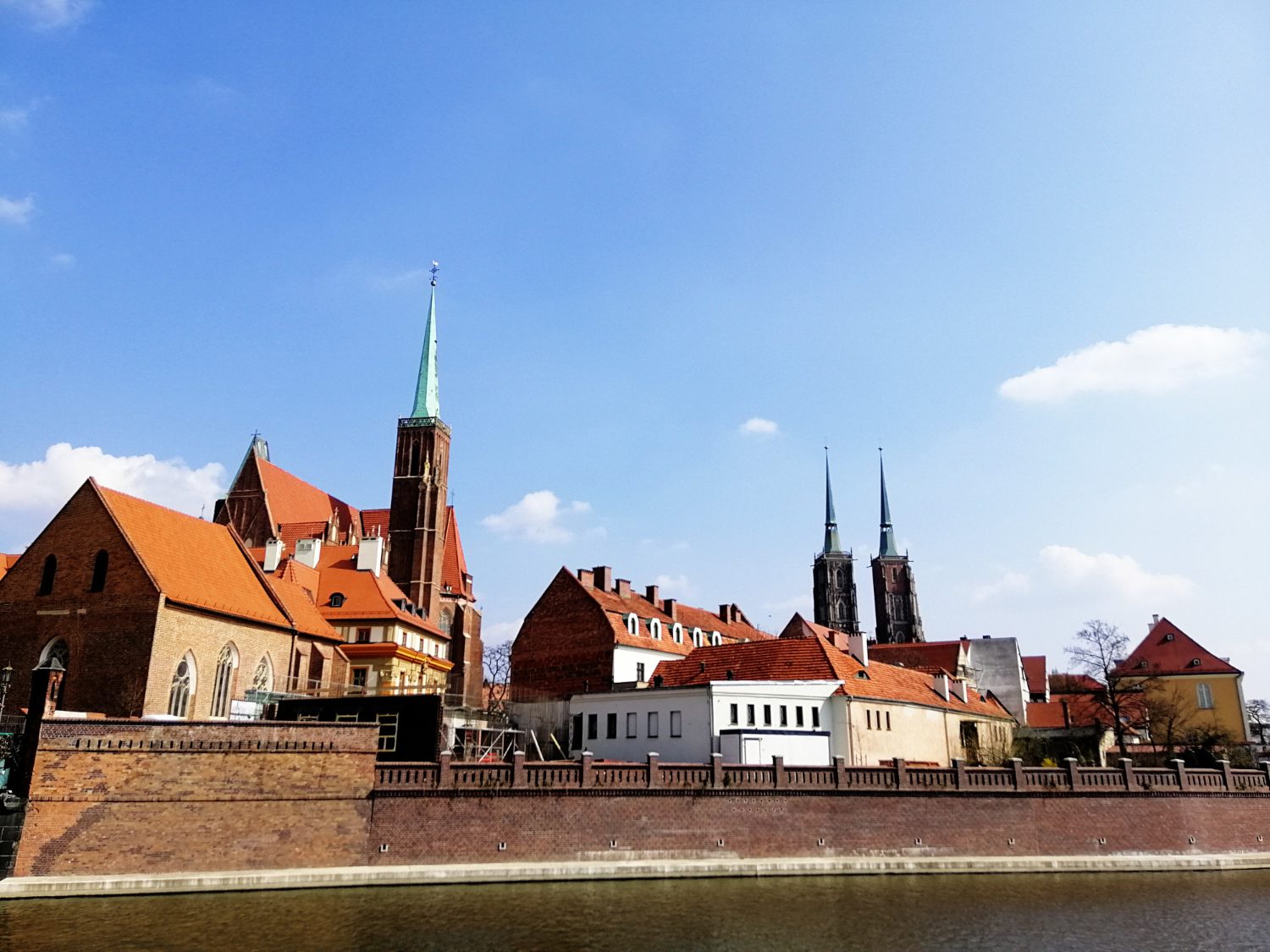
beautiful shot bastion ceglarski wroclaw poland

The popularity of crypto is growing rapidly. But the work of crypto-companies is complicated by the lack of a developed legal workspace in most states. In Poland, the government regulates digital currency.

Entrepreneurs who want to work in this field register corporations in the state and supply services to inner and foreign markets.

Crypto license in Poland

In Poland the Chamber of Tax Management continues to issue Polish cryptopermits, which are the equivalent of a crypto license. If you plan to offer crypto products or services you need a Cryptocurrency license in Poland, you will first need to enroll with the E-Currency Registry, which is part of the AML/KYC procedures.

An authorized Polish crypto biz can provide the following services:

  • Interchange of fiat currencies and cryptocurrencies;
  • Interchange of various cryptocurrencies;
  • Crypto interchange broker;
  • Granting and protection of electronic currency wallets.

Requests for cryptographic authorization can be yielded online through the Virtual Public Favors Program (ePUAP). It is considerable to observe that they must carry appropriate factual information and be accompanied by all necessary documents. However, any errors can be corrected, although this usually causes delays in the application process. If there is no reason to refuse the applicant, the permit is granted within 2 weeks from the date of ticket of the statement.

Adjustment of crypto in Poland

Crypto adjustment is moving towards the EU, of which Poland is a member. Consequently, in addition to Polish legislation, it is extremely important to keep an eye on the rapidly progressing European lawful organization that is being created to adjust crypto biz working in or from the Europe.

For example, the EU Commission is operating on new KYC demands for crypto-businesses that would restrict digital currency companies from concluding with non-hosted purses without first verifying the identity of their holders. The Committee has offered to abolish the present initial level of €1,000, which means that all crypto transactions will be dependent to KYC treatments in the close future.

Steps of Obtaining a crypto license in Poland

To obtain a virtual currency license and biz in country:

  • Enroll a firm in country with a real office space.
  • Open an account at a bank and deposit initial capital.
  • Think through AML and KYC (Know Your Customer) policies to securely receive and process payments.

Crypto-company in Poland

Enrolling a corporation in Poland in compliance with established rules is not as difficult as in many other European countries. Key points of biz registration:

  1. The new company must have an original name.
  2. After enrolling the company, it is necessary to open a bank account.
  3. Within seven working days from the moment of registration, it is necessary to submit info about the final beneficiaries to the special register. Failure to comply with this demand is subject to a fine of up to 1 million zlotys.
  4. Within twenty-one days from the moment of registration, you should send the completed NIP-8 form, which contains info about the company’s bank account and accounting, to the tax office at the place of registration.

How much does the Polish crypto permission cost?

The cost depends on the complexity of the project, for detailed advice you can contact our specialists.

Is crypto regulated in Poland?

Crypto actions in Poland are controlled by the law on combating AML.
Licensed crypto firms are needed to maintain a transaction enrollment, collect info and actions that have been taken to prevent the AML / CFT law.

Is crypto taxed in Poland?

There is no abstracted digital currency imposition in country, but all firms engaged in digital currency actions are required to pay existent taxes. 

Is crypto trading legal in Poland? 

Crypto, although not legally defined and not equated to fiat money, can be used in the territory of Poland on legal grounds. Mining, buying and selling of crypto-assets is not advised as a prohibited activity.


Related insights

Top Crypto-Friendly Countries in 2026

Selecting a jurisdiction for a crypto-related business requires a balanced assessment of regulatory clarity, licensing requirements, taxation, and operational feasibility. In 2026, jurisdictions differ significantly in how they regulate and support digital asset activities. When deciding on a location for a cryptocurrency business or (i. e. a license for cryptocurrency exchange), a thorough assessment spanning…

Read more 15.04.2026

Portugal Crypto Tax Guide 2026

Portugal has attracted significant attention in Europe for its approach to the taxation of crypto assets. By 2026, the country has developed a structured regulatory and fiscal framework governing digital asset activities. . The regulatory and fiscal environment developed by the year 2026. The perception that Portugal is a “zero-tax crypto jurisdiction” is no longer…

Read more 15.04.2026

Argentina PSP Opportunity 2026: Why This Market Is Too Big to Ignore

Due to the economic chaos in Argentina characterized by never-ending inflation and wildly fluctuating exchange rates, the use of financial technology is no longer a matter of preference but a pressing requirement. Overcoming these financial challenges, Argentina, a country with a GDP of over $600 billion and a very diverse cultural heritage mainly passed down…

Read more 15.04.2026

Singapore Crypto Tax Guide 2026

Discussions surrounding virtual assets often focus on market cycles, while taxation remains one of the least transparent aspects for many investors. Each jurisdiction has its own set of rules. While some states apply them inconsistently, others implement them retroactively. Singapore takes a different tack. Its structure, conservatism, and general alignment with fiscal principles predate the…

Read more 15.04.2026

7 Cheapest Countries for Crypto Licensing in 2026

Having a cryptocurrency exchange license is a key requirement for operating transparently and building trust with partners and clients. Different areas may give different names to it, but the idea behind it is the same: a company that manages, moves, exchanges or keeps digital assets for clients, should get explicit permission. Working with digital assets…

Read more 10.04.2026

Full Report on Top iGaming Trends for 2026

The digital wagering industry is entering a more mature state. The focus is shifting from increasing the volume of operations to delivering more customized experiences, building strong trust, and adhering to local regulations. As markets become more stable and competition more fierce, operators need to be quick in their response if they want to stay…

Read more 07.04.2026

Selling a Business in Europe: Key Considerations

In Europe, the selling of a business is dependent on careful preparation, proper strategy, and deep knowledge of the European economic environment. Most often, an entrepreneur is faced with questions on valuation, backer outreach, and transaction structure at the time they decide to hand over the ownership of their organization. Europe is a diverse commercial…

Read more 24.03.2026

How to Sell a Business to a Foreign Investor

Selling a business is one of the most crucial decisions an entrepreneur has to undertake. After years of building operations, hiring teams, and developing a market position, the time comes for the owner to begin thinking about an exit plan. Some founders are planning their retirement, some have new ventures in mind, while others just…

Read more 23.03.2026

How to Increase Your Business Value Before Selling

Decision to put business up for sale is usually linked to specific goals: locking in profits, exiting projects, reallocating capital, or changing direction. However, there is often significant time lag between moment when owner considers deal and actual sale of business. Reason is simple: most companies enter market unprepared and, as result, sell for less…

Read more 16.03.2026

When Is the Right Time to Sell Your Business? 7 Signs It’s Time

Sooner or later, most entrepreneurs face question of exiting project. Reasons may vary: desire to lock in results, change in field of activity, raising capital for new projects, or changes in market conditions. At such moments, owners begin to consider putting business up for sale, assessing possible value of company and interest of potential investors….

Read more 16.03.2026

Why Your Business Isn’t Selling: 10 Real Reasons

Markets regularly appear on business for sale, but significant portion of these offers remain without buyers. Company owners often assume that selling business is simple process: all you need to do is prepare brief description, set price, and place advertisements. Reality is much more complicated. Transaction requires preparation, financial transparency, clear management structure and adequate…

Read more 16.03.2026

How Long Does It Take to Sell a Business?

Question of transaction timing arises for almost every firm owner who puts their business up for sale. Many entrepreneurs assume that selling business is quick process: all you need to do is publish advertisements, hold few meetings and sign contracts. In practice, situation is different. Transaction goes through several stages: preparation of company, valuation, marketing,…

Read more 13.03.2026