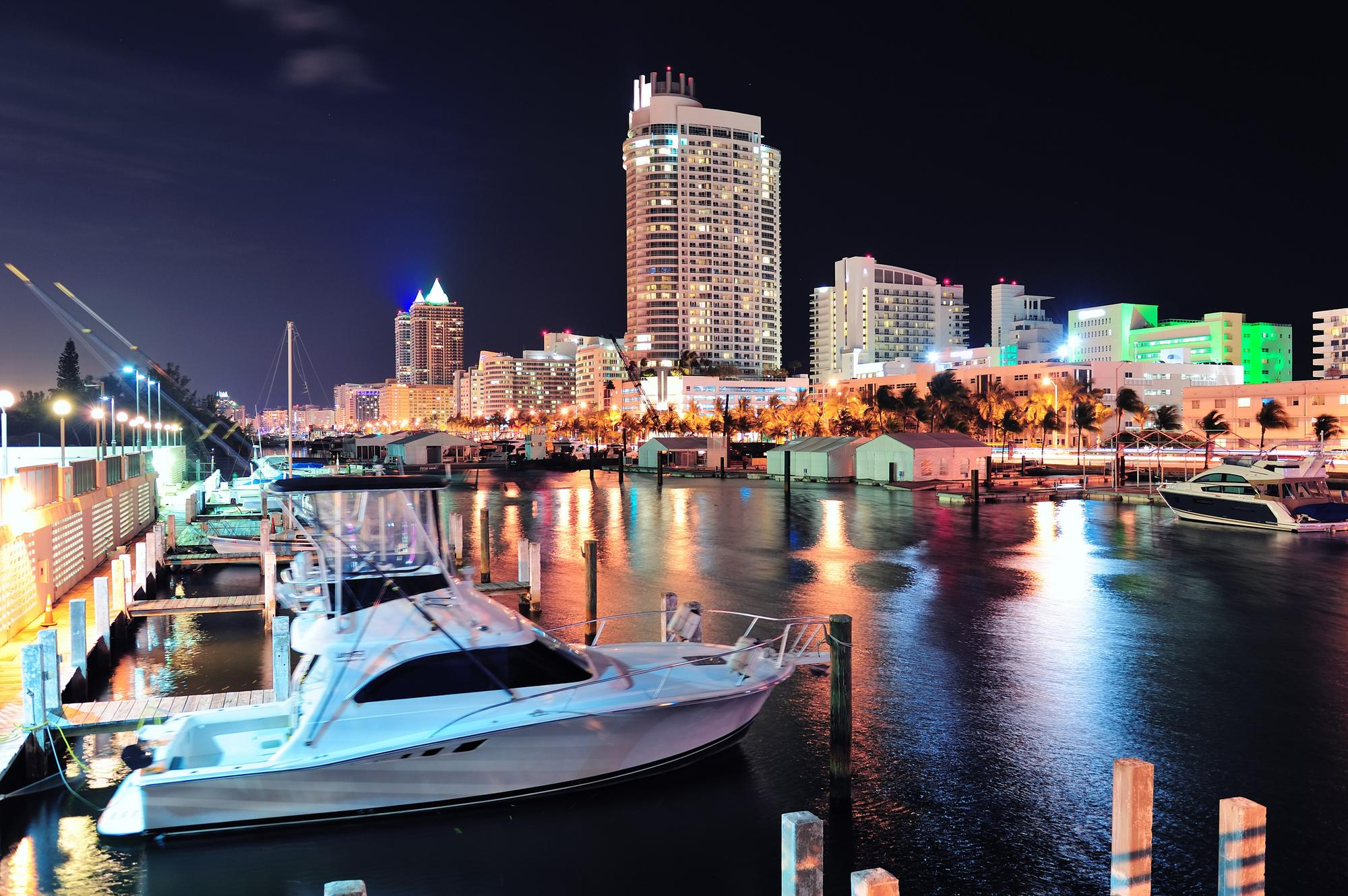
The Bahamas is esteemed globally as a preeminent jurisdiction for establishing a forex brokerage, offering an unmatched amalgamation of trustworthiness, economic soundness, and advantageous financial policies. Governed by the International Financial Services Commission (IFSC), the region ensures stringent legislative supervision paired with a commerce-accommodating ecosystem. With its zero-tax framework, pro-investor ethos, and expedited licensing mechanisms, the Bahamas stands as a prime locus for ventures aspiring toward international expansion and sustained advancement. Entrepreneurs are drawn to the Bahamas not only for its controlling benefits but for its venerated stature as a nucleus of global financial enterprises, engendering unwavering assurance among patrons and allies.
Acquiring a forex license in the Bahamas magnifies client trust, enhances competitive positioning, and unlocks pathways into the burgeoning global forex sector.
Bahamas Forex License Requirements
To procure a forex license in the Bahamas, adherence to several pivotal stipulations is indispensable:
- Company Establishment: Instituting a local entity in compliance with Bahamian statutory prerequisites.
- Capital Requirements: Securing adequate fiscal reserves as delineated by the IFSC.
- Document Preparation: Crafting compliance manuals, operational schemas, and essential dossiers.
- Bank Account Creation: Establishing a corporate bank account for seamless financial transactions.
- Qualified Personnel: Employing directors and key officers possessing requisite industry expertise.
Adhering to these mandates ensures alignment with legislative frameworks and lays the groundwork for a reliable brokerage. For in-depth insights, refer to Bahamas forex license for sale.
Types of Forex Licenses in Bahamas
The Bahamas proffers two primary classifications of forex licenses, tailored to distinct operational aspirations:
- Full Dealer’s License: Authorizes exhaustive trading operations, including market-making and direct client interactions.
- Restricted Dealer’s License: Configured for firms offering limited services, such as advisory roles or focused trading.
Understanding the distinctions between these license types is paramount to ensuring your brokerage’s objectives align with administrative specifications. Both alternatives proposal adaptability also scalability, reinforcing the Bahamas as a favored locale for forex brokers.
Advantages of Forex Licenses in Bahamas
Obtaining a forex license in the Bahamas yields manifold benefits:
Global Credibility: Administered by the esteemed IFSC.
- Tax Advantages: Exemption from corporate and capital gains taxation, amplifying financial profitability.
- Effortless Licensing: Transparent and efficient licensing protocols.
- Business-Friendly Ambience: A steady political and economic framework with pro-investor policies.
- Worldwide Outreach: Seamless entry into global financial markets.
These attributes position the Bahamas as a top-tier destination for initiating and expanding forex brokerages.
Procedure for Obtaining a Forex License in Bahamas
The licensing trajectory incorporates the subsequent cardinal steps:
- Corporate Formation: Registering a local company under Bahamian legal statutes.
- Document Compilation: Assembling compliance handbooks, operational blueprints, and requisite documentation.
- Bank Account Opening: Setting up a corporate bank account to facilitate financial operations.
- Regulatory Appraisal: Undergoing an evaluation by the IFSC to ascertain adherence to guidelines.
- License Granting: Receiving the permit upon the accomplished fulfillment of all criteria.
For additionally information, consult forex broker license options. The transparent processes employed by the Bahamas minimize administrative hurdles, enabling prompt business activation.
What Is Included in Our Services
Our all-encompassing services encompass every aspect of the licensing procedure:
- Corporate Formation: Assistance with establishing a local company.
- Document Crafting: Arrangement of compliance manuals, operational strategies, and ancillary documents.
- Bank Account Facilitation: Guidance in establishing corporate bank accounts.
- Regulatory Compliance Support: Expert advice on meeting registration requirements.
- Post-License Services: Continued assistance to ensure seamless operational functionality.
We employ a bespoke approach tailored to your business’s unique requisites, alleviating complexities and expediting compliance. Leverage our expertise to propel your forex brokerage toward enduring global success.
Taxation of Forex Companies in Bahamas
The tax policies in the Bahamas are exceedingly auspicious for forex entities, offering meaningful financial advantages:
- No Corporate Taxation: Companies retain their entire profits.
- No Capital Gains Tax: Maximized earnings from trading endeavors.
- No Withholding Taxes: Unrestricted international monetary transfers.
These advantageous tax policies allow businesses to focus on growth without the encumbrance of excessive financial commitments. Additionally, the Bahamas fosters a predictable and transparent fiscal system, conducive to long-term stability.
How Much Does a Forex License in Bahamas Cost?
The expenses associated with obtaining a FX market approval in Bahamian vary based on several factors:
- Governmental Charges: Licensing and registration fees.
- Professional Assistance Costs: Fees for legal and administrative support.
- Operational Outlays: Costs for corporate setup and bank account opening.
Although initial expenditures may appear substantial, the fiscal benefits derived from operating in this tax-efficient jurisdiction outweigh the costs.
Our Advantages
Partnering with us ensures a seamless and proficient licensing process. Here’s why clients choose us:
- Proven Expertise: Extensive experience in securing forex licenses for international clients.
- Customized Solutions: Tailored services to meet client-specific needs.
- Efficiency: Streamlined registration and compliance processes.
- Comprehensive Support: Assistance beyond the licensing stage.
By choosing us, you gain a trustworthy ally dedicated to your success. Beyond mere facilitation, we provide strategic guidance and operational support, positioning your forex brokerage for sustained growth in competitive global markets.
Conclusion
The Bahamas offers unparalleled opportunities for business owners aiming to launch a forex brokerage. With its tax-neutral regime, resilient economy, and accommodating oversight climate, it is a stellar choice for building a globally competitive enterprise.
Engaging seasoned professionals simplifies the licensing process, ensuring full conformity and implemented readiness. Securing a Bahamian forex license not only enables global marketplace entry but also fortifies client confidence. Take the first step toward leveraging the distinct advantages of the Bahamas to create a thriving forex brokerage.