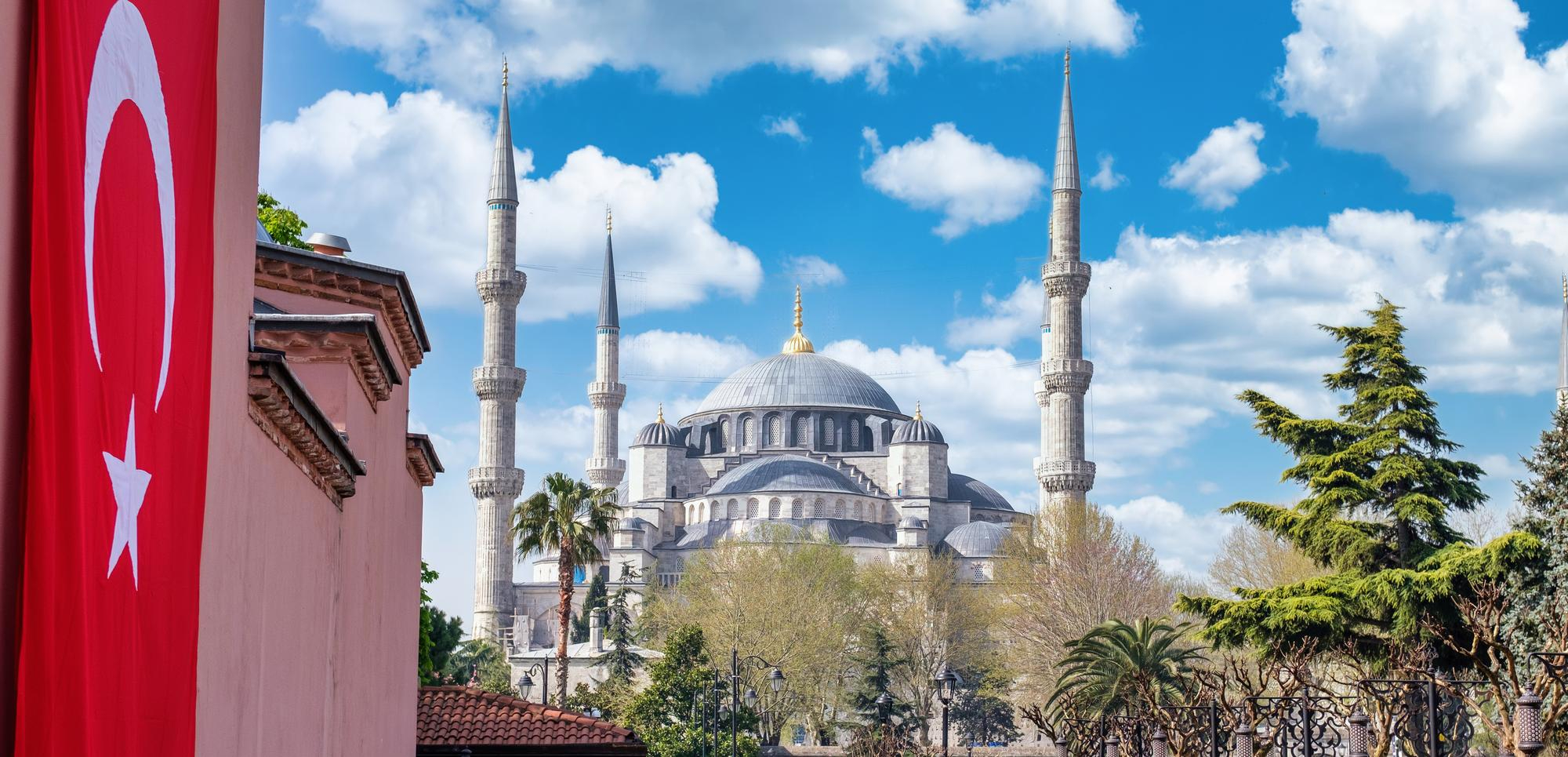
Most people think of Turkey as being “turquoise and sunny” and a vacation hotspot, with its beaches, all-inclusive resorts, and coastlines that seem like they’re off a postcard. The country offers more than the standard summer holidays. A dynamic lifestyle, fast-growing economy, and an engaging mix of eastern traditions against a western backdrop: this special blend continues to increase the flow of people visiting, working, and investing in this place in the long term. If you have finally decided to buy property in Turkey and move there, then you cannot ignore the following key points.
Reasons to consider Turkey
Many are the reasons that make this country a definite favorite for people to relocate to. Starting with the most important, life is cheap in this country compared to most of the western countries one comes from. Yes, from fresh market produce to eat-outs in local restaurants or rents in a seaside town, money definitely goes a long way in this place.
Another great advantage is in the healthcare sector. It has modern local hospitals with very low treatment costs compared to Europe or North America. In this respect, Turkey is a hot spot for medical tourism.
It is located in an area of the world that stands out both culturally and by warmth and hospitality. People are friendly and inquisitive, especially in areas not so well-known to tourists. Traditionally, great respect has been given to family, elders, and children, and often newcomers are made to feel welcome rather than out of place.
It is also incredibly beautiful—in all senses. From the turquoise coastlines in Antalya to the jagged peaks of the East and the green hills of the Black Sea region, Turkey abounds in different landscapes. Moreover, its climate is very good, with mild winters and long, sunny summers that allow outdoor living.
Good educational facilities for the children are also close at hand. In big cities, there are plenty of international schools where education is offered in English and other languages, and Turkish public universities are finding increasing recognition worldwide.
Things to take into account prior to moving
Of course, no move is without its challenges. The language barrier can be a big one. In Istanbul or Izmir, you’ll find many English speakers, but in smaller towns and government offices, speaking Turkish becomes essential. Having even a basic grasp of the language will make daily life smoother.
There are also cultural norms to adapt to. While the country is generally modern, traditional values still play a role, especially outside urban centers. Things like gender roles, religious customs, or social expectations may be different from what you’re used to.
The summer heat is another consideration. If you’re not a fan of hot weather, it’s worth researching regional climates before choosing a location.
And then there’s the emotional side: homesickness. Leaving behind your familiar surroundings, friends, and family can be hard. Technology helps you stay connected, but the adjustment still takes time.
Steps to take before moving
Tarter to Turkey is far simpler in contrast to many countries in the West. Ordinarily, one will have to first apply for a residency permit; this involves several ways based on the situation at hand:
- Purchase of property for sale: A real estate house in Turkey valued at not less than $200,000 will be eligible to apply for a residence permit. And if you invest $400000, you can get citizenship. But this only applies to investments in certain real estate properties, and there are other important points associated with this (i.e. not any purchase for this amount and above);
- Family union: Marriage to a Turkish citizen or being closely related and having a relative staying in Turkey, you can do it through family reunification.
- Employment: This is made from inside Turkey and usually necessitates an offer of employment from a Turkish-based employer.
- Studies: With acceptance to a local institution or course, you earn your stay through a student residency permit.
You will have to bring with you some papers at the time of submission:
- Proper form of application
- Passport, tax identification number
- Biometric photos
- Some reason for stay proof: deed of property, job contract, etc.
- Health insurance in Turkey
- Prove of local address (rental contract/deed)
- A police certificate from the country of residence
- Proof of self-sufficiency
- Government fee payment
You can either try doing this on your own or have a local consultant guide you through the red tape—who will at least save you time (and stress).
If you legally stay in Turkey for a period between 3 and 8 years, paying your taxes and keeping away from legal troubles, you could then be considered for further permanent residency. There are provisions in it which encompass a wide array of benefits citizens usually would enjoy, such as health access and entrepreneurship.
Conclusion
Relocating to Turkey isn’t just a change in geography—it’s a lifestyle shift. You’re signing up for slower days, richer culture, and a cost of living that doesn’t break the bank. There are challenges, no doubt—from learning the language to navigating cultural quirks—but many who make the move find the benefits far outweigh the bumps along the way.
With good planning, a bit of flexibility, and an open mind, Turkey can be more than a holiday destination. It can be home.