The global housing market has started cooling after a few years of very high growth. For years, low interest rates, easy credit, high demand from investors, and a number of other factors have combined to push up home prices in many cities all over the world. The last year has been a year of major twists and changes in this narrative. The global overview of the UBS Global Real Estate Bubble Index 2024 shows not surprisingly that the overall risk of housing bubbles eased for the second consecutive year. As always, things are not the same everywhere. If anything, in Europe, risks have been decreasing in many areas. Annoyingly, restlessness about overpriced property for sale in the US is growing. Not much has changed in the Asia-Pacific. Yet, differences in the above really show that local characteristics, be it wages, demand, housing supply, among others, often matter more than global averages. And there are cities at high risk even though the global average is high. That would be manifest where home prices had earlier gone up much more quickly than incomes. Even more relevant is the heightened sensitivity of individual cities for signs of an impending fall in home prices—and crucially, how much is by how much.
Cities with the highest risk
According to UBS, a few global cities are flashing red when it comes to the risk of a housing bubble. Miami leads the pack, with home prices soaring so high that they no longer align with local incomes or rental yields. It’s a classic sign of a market that’s overheated. Other cities in the high-risk category include Tokyo, Zurich, Los Angeles, Toronto, and Geneva. In these places, a mix of strong demand, limited supply, and speculative buying has driven prices far beyond what the average person can afford.
Then there are cities sitting in a more moderate risk zone. They’re not in crisis yet, but there are warning signs on the horizon. This group includes Amsterdam, Sydney, Boston, Vancouver, Frankfurt, Hong Kong, Tel Aviv, Singapore, Madrid, Munich, and Dubai. Home prices in these cities are still climbing, and affordability is becoming an increasing concern.
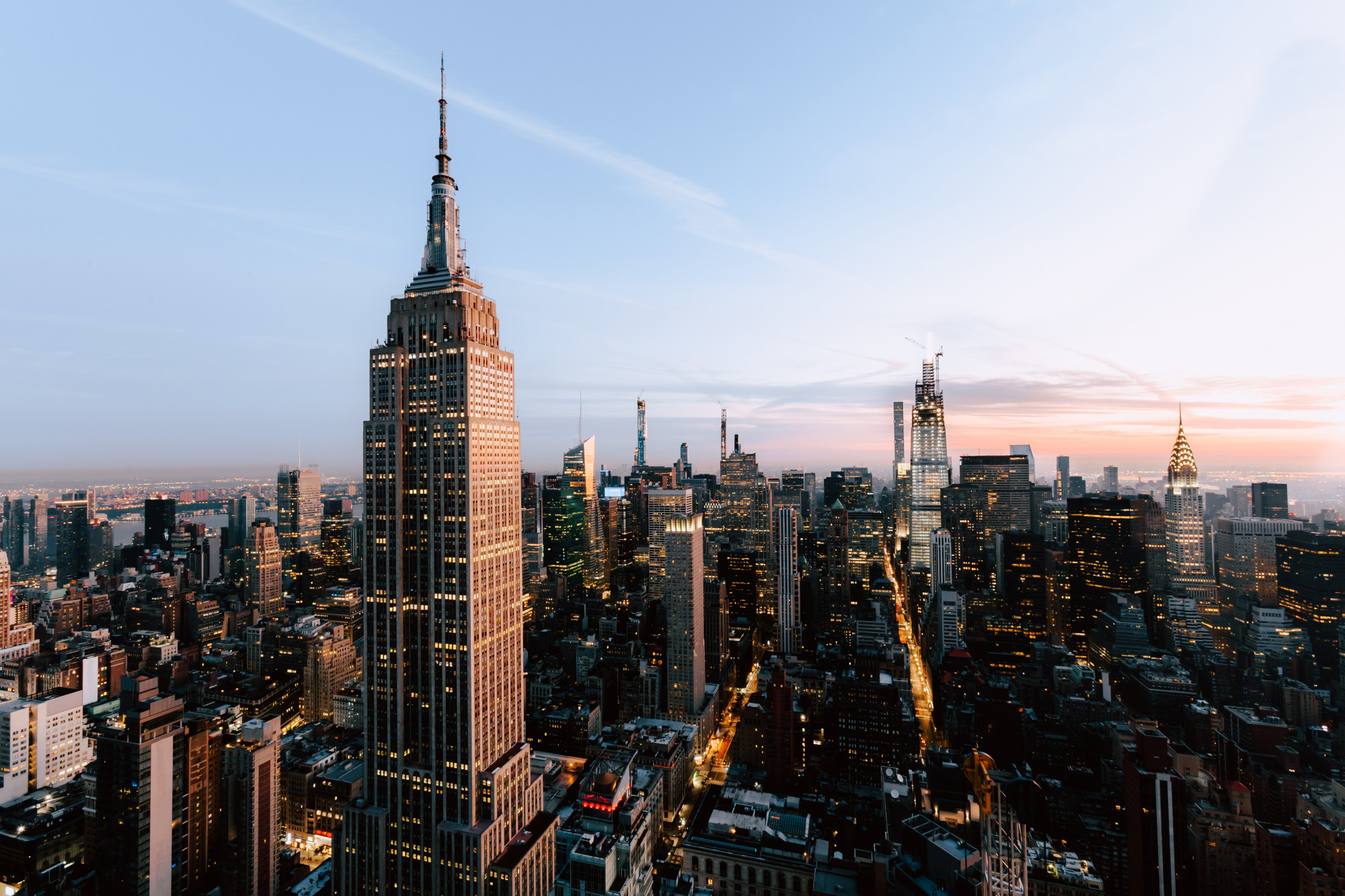
On the flip side, some cities appear to be on more solid ground. UBS points to San Francisco, New York, London, Paris, Warsaw, Stockholm, and Milan as relatively stable. Among all of them, São Paulo stands out as the most balanced market, where home prices and demand are still in step with the broader economy.
What’s driving the bubble risk?
UBS looks at several indicators to figure out where housing bubbles might form. One key measure is the price-to-income ratio—basically, how expensive homes are compared to what people earn. Another is the price-to-rent ratio, which shows whether buying a home makes financial sense compared to renting.
A major change in recent years has been rising interest rates. As borrowing becomes more expensive, fewer people can afford to buy homes, especially in places where prices were already high. Cities that relied heavily on cheap credit are now feeling the pressure.
Another sign of a possible bubble is the widening gap between home prices in major cities and nearby rural or smaller towns. This often points to heavy investment activity in the cities, rather than people buying homes to live in. Also, in some areas, local wages and population growth haven’t kept up with rising home prices—another warning sign.
Why buyers should stay cautious
Even though the overall risk of a housing bubble is easing in many places, there are still plenty of reasons to stay cautious—especially when it comes to affordability. Since 2021, rising interest rates and tougher lending standards have made it much harder for people to buy homes. In fact, the average buyer can now afford about 40% less living space than just a few years ago. That’s a huge drop, and it’s one of the main reasons home sales have slowed down.
At the same time, rents are climbing fast—up more than 5% on average over the past two years. That’s a clear sign that more people are turning to renting, either because buying is out of reach or because they’re hesitant to commit in today’s uncertain market.
What’s also striking is how differently home prices are behaving from city to city. In places like Paris and Hong Kong, prices have dropped by around 10%. But in cities such as Warsaw and Dubai, prices are still shooting up at double-digit rates. These big differences highlight why it’s so important to keep a close eye on local market conditions—there’s no one-size-fits-all answer when it comes to real estate right now.
Conclusion
The 2024 UBS Global Real Estate Bubble Index clarifies the housing situation as of today. Of course, now, the general risk of a housing market bubble has slightly decreased, but this does not mean that risks have disappeared. It remains very high in cities such as Miami, Zurich, and Tokyo; housing prices are still far above what local buyers can afford.
The same affordability issues already give rise to potential very serious concerns, even for those cities that are perceived to have moderate risk if the risks are materialized.
Most of us, though, find that all is not lost. Stability is always there in cities such as São Paulo, Stockholm, and Milan. These markets are closer to local economic fundamentals and thus less prone to sudden shocks.
So please do not attach much weight to global averages. Real estate is completely hyperlocal, where wide fluctuation prevails among the risks and the opportunities that are present from city to city. Policymakers intent on cooling down an overheating market, investors in search of values, and potential homeowners in efforts to divine the next best course of action should consider their moves based on local conditions before making major decisions.