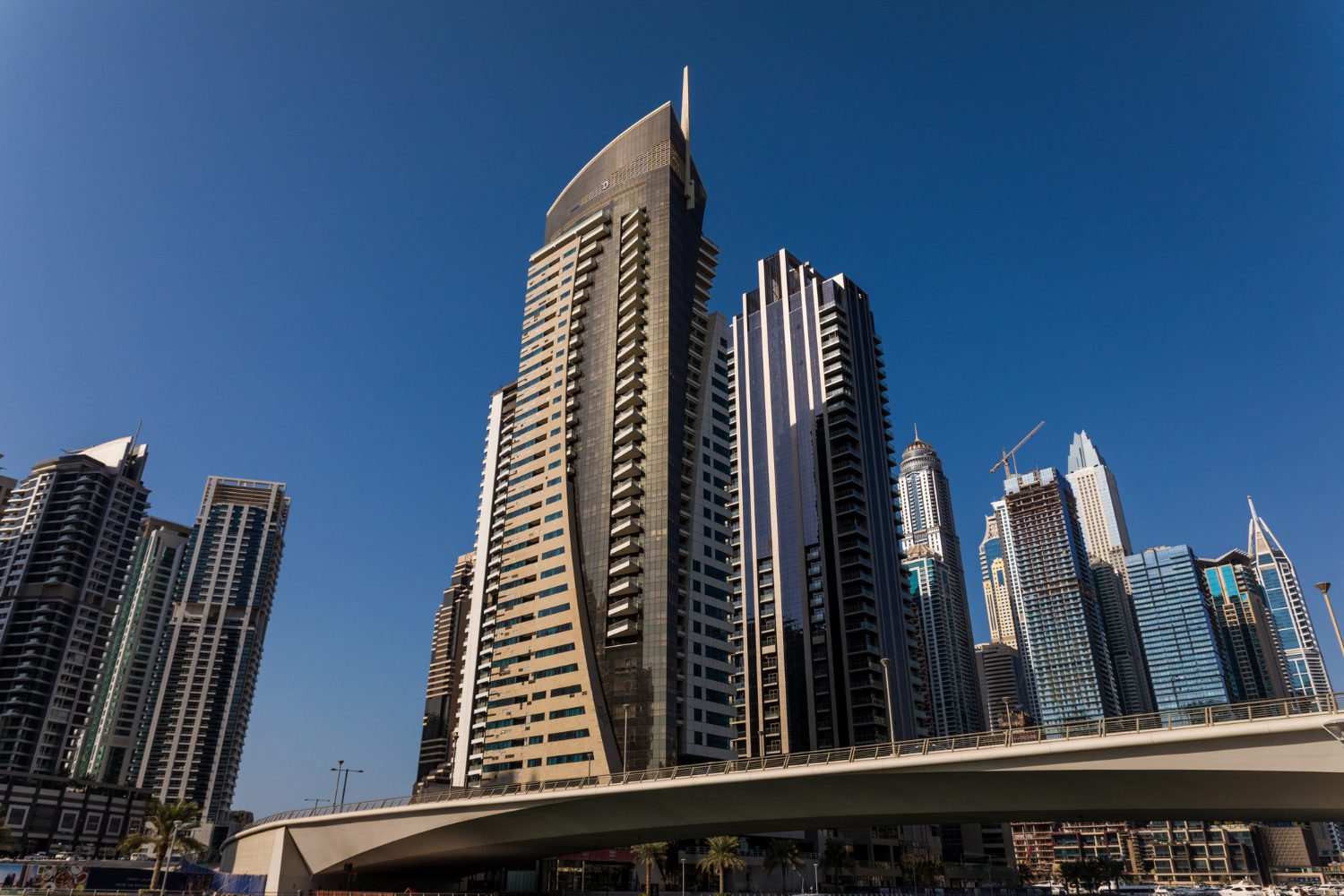
Relocating to the United Arab Emirates is like stepping into a world where the future meets tradition head-on. This dynamic country, known for its modern skyscrapers and deeply rooted cultural heritage, suggests expats a unique blend of experiences. Whether you’re drawn to the glitz the capital city or the civilization heritage of Abu Dhabi, the UAE’s seven emirates have something to captivate everyone.The journey involves not just a change in scenery but an immersion into a new way of life, where coping with local customs and laws—especially for women and couples—is crucial. With our apprehensive guide, we aim to make your relocating as smooth as possible, covering everything from the best areas to live, to finding the perfect property for sale in the UAE, and even bringing your beloved pets along. As you navigate the time zone differences and adjust to a new environment, remember that living in this state suggests an unparalleled opportunity for both individual and job advancement, all while enjoying the comforts of a welcoming expat community.
Navigating Your New Home
Embarking on the journey to this country is more than just a relocation—it’s the beginning of a new chapter filled with both excitement and discovery. The UAE, a land where futuristic skylines meet ancient traditions, offers a quality of life unlike any other. As you settle into this vibrant and diverse region, one of your first priorities will be discovered the perfect place to call home. The search for property for sale in the UAE is not just about securing a living space; it’s about finding a residence that aligns with your new lifestyle, whether you are drawn to the bustling energy of Dubai’s towering skyscrapers or the more tranquil environment of the lesser-known emirates like Fujairah or Umm Al Quwain.
Each emirate presents its own unique atmosphere and opportunities, catering to a wide range of preferences and needs. Dubai, with its iconic architecture and endless entertainment options, is a magnet for those chasing for a cosmopolitan lifestyle. Meanwhile, Abu Dhabi offers a rich heritage – related-related experience, seamlessly blending modernity with a deep respect for its heritage. For those who prefer a quieter pace, the northern emirates provide a more relaxed and traditional setting, yet still within reach of the conveniences and luxuries that the UAE is known for.
Finding the right householding might seem overwhelming at first, especially when faced with the variety of options available. However, the UAE’s real estate market is as diverse as its population, ensuring that there’s something for everyone—whether it’s a luxurious apartment in the heart of the city or a spacious villa overlooking the Arabian Gulf. As you navigate through this process, consider not just the property itself, but the community and lifestyle it offers. The UAE is a place where the old meets the new, where you can experience both the cutting-edge developments of tomorrow and the timeless traditions that have shaped the region’s history. In this unique environment, finding your new home is not just a matter of bricks and mortar—it’s about carving out a space where you can truly thrive.
Bringing Your Vehicle and Pet to the UAE: Key Considerations
When moving to the UAE, transporting your vehicle and pet demands methodical preparation. First, check with your employer about any shipment restrictions that might affect your decision to bring your car. If you proceed, ensure your vehicle meets UAE standards, including having a left-side steering wheel, window tinting below 30%, and a protective undercoating to guard against sand and salt erosion. You’ll need an invoice, a certificate of origin, and a UAE visa with your residential address for registration.
For pets, be aware that they are not widely accepted in UAE culture, and the climate can be tough on them. Required documents include a health certificate, vaccination records, microchip proof, and your passport. Pets must be at least three months old. Before making arrangements, consult the UAE Ministry of Environment and Water (MOEW) or the local UAE Embassy for the latest on permits and quarantine rules. Careful preparation will help ensure a smooth move for both your vehicle and your pet.
Navigating Banking, Currency, and Housing in the UAE
When moving to this country, apprehending the regional financial landscape and housing market is pivotal. The UAE’s banking sector is robust, with local and overseas banks offering apprehensive personal banking services. To open a bank account, expats need a valid employment visa and identification card, which also grants access to mobile payment platforms. While money can be easily moved in and out of the country due to the absence of restrictive foreign exchange policies, cashing personal cheques can sometimes be challenging. In rural areas, cash remains the most reliable method of payment.
The currency in the UAE is the dirham (AED), which is pegged to the U.S. dollar. The dirham is divided into 100 fils, with notes available in denominations ranging from 5 to 1,000 dirhams. While notes are bilingual in English and Arabic, coins are marked only in Arabic. For the best exchange rates, banks on the street often provide more competitive offers, with services available at major hotels and airports.
Finding a home in the UAE, particularly for those moving from the UK, often involves working with a relocation advisor. Rental properties are widely advertised on real estate websites, and community recommendations can be invaluable. Here are some key points to consider:
- Rental Agent Fees: Expect to pay an additional fee of around 5% of the annual rent to a rental agent.
- Foreign Ownership: While foreign ownership is restricted in many areas, it is allowed in Sharjah, Ras-Al-Khaimah, and parts of Dubai.
- Renting: Most expats rent their accommodation, which typically comes unfurnished. Basic kitchen appliances may be provided, but additional furnishings can be purchased locally.
- Payment Terms: Rent often requires six months’ payment upfront, with full payment in advance sometimes requested.
Understanding these aspects will help you navigate the financial and housing processes more smoothly as you settle into life in the UAE.
Temporary Housing Solutions in the UAE
As you are relocating to this country, securing short-term accommodation is an essential first step. For expatriate families, especially those employed by large corporations, staying in major hotels can be a convenient option. These hotels often provide fully furnished rooms with kitchen amenities, offering a comfortable and hassle-free living experience. Alternatively, there are apartment complexes designed specifically for temporary residents who are in the process of finding permanent housing. These options are readily available through online listings from global stay providers, local facilities, and recommendations within expat communities.
Essential Insights for Life in the UAE
Relocating to the UAE involves adapting to a unique blend of modern conveniences and deep-rooted traditions. If you plan to drive, you’ll need to obtain a local driving licence, which varies by emirate. Expats often buy cars upon arrival, requiring third-party liability insurance. While the roads are well-maintained, cautious driving is essential due to common speeding and aggressive driving. Taxis offer a reliable alternative, particularly in cities, but it’s wise to carry destination instructions in Arabic. The UAE also has an efficient public transport system, including buses, the Dubai Metro, and water taxis like the abra, though expats tend to use them less frequently.
Cuisine in the UAE reflects its Persian roots, featuring dishes with poultry, lamb, seafood, and an array of fresh herbs and spices.
Supermarkets are common, but local markets, or souks, offer a more authentic shopping experience where bargaining is the norm.
When it comes to clothing, the conservative Islamic culture calls for modest attire, especially for women.
Lightweight fabrics are recommended due to the warm climate, but business attire should remain formal, with men expected to wear ties and women advised to dress conservatively.
The expat community in the UAE is vibrant, making up nearly 70% of the workforce. Overseas schools cater to families, ensuring a convenient adaptation for children. The recent shift to a Saturday-Sunday weekend aligns the UAE with global markets, making it easier for expats to adjust. Social life is active, with myriad opportunities for recreation, dining, and networking. While alcohol consumption is typically restricted to hotels, Dubai is becoming more relaxed.
Understanding local customs is crucial. The UAE’s society is respectful and conservative, with specific expectations for behaviour, such as avoiding public displays of affection and using the right hand for gestures.
Social etiquette includes not refusing invitations and respecting gender segregation at gatherings. Additionally, be mindful of strict laws—gossiping or swearing can lead to severe penalties.
Religion is predominantly Islamic, but the UAE allows freedom of worship, with various religious communities present.
Social customs emphasise politeness and restraint, and it’s important to observe local practices, particularly in public settings.
When entertaining or being entertained, it’s customary to follow the host’s lead, and tipping 15% is standard unless service is included.
In summary, life in the UAE offers a unique blend of modernity and tradition, requiring a respectful and adaptable approach to thrive in this dynamic environment.