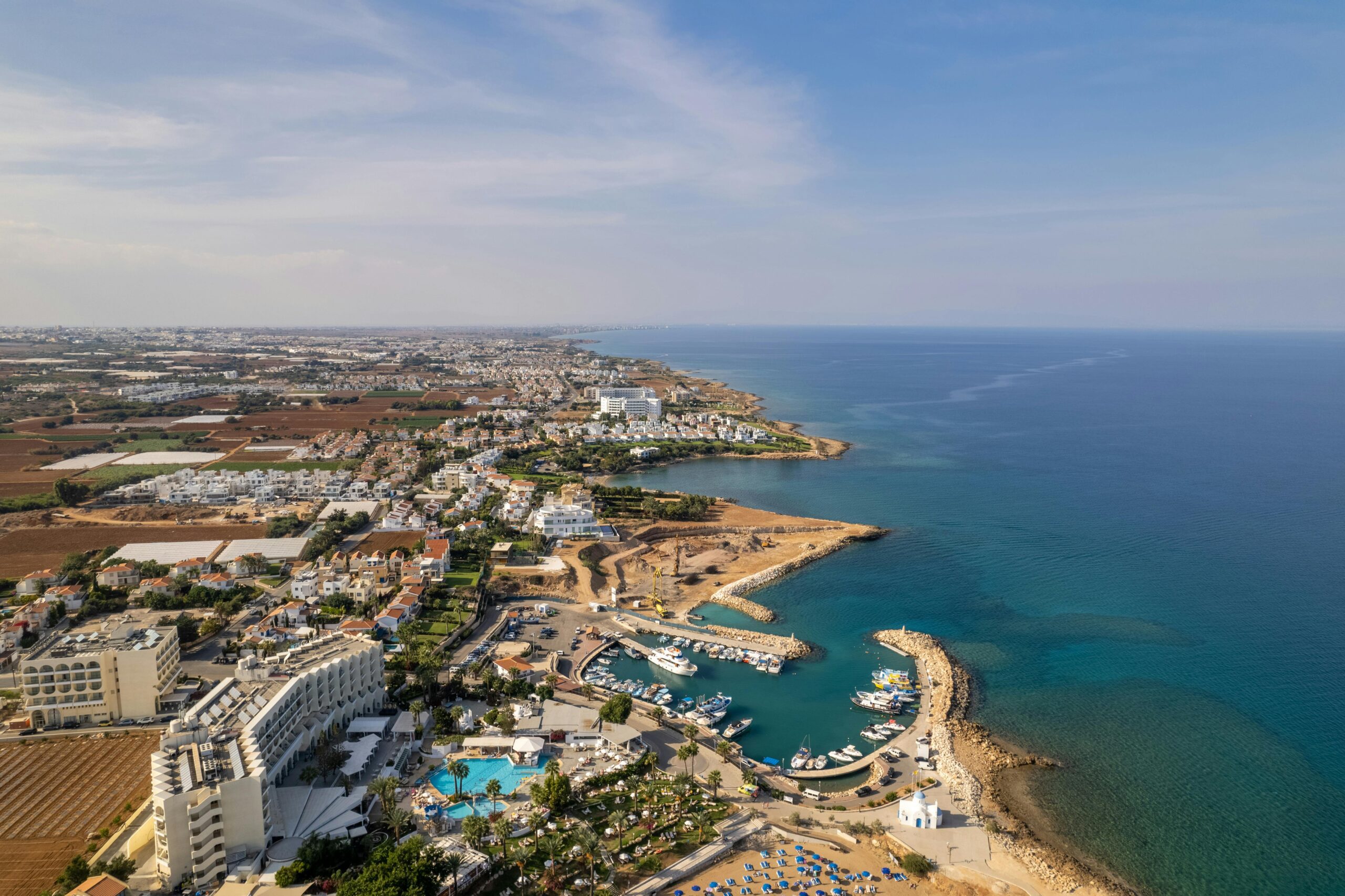
Cyprus, the Mediterranean’s third-largest isle, has been a famous attraction for expatriates and retirees looking for sun, sea, and a slower pace of life. Known for its a place with a deep historical heritage, breathtaking scenery and welcoming residents, this isle suggests an appealing mix of cultural experiences and modern amenities. However, like any place, it comes with its own set of pluses and minuses, particularly for those considering buying property in Cyprus. This article explores the various features of settling in this isle, weighing the perks and obstacles to support potential residents to make an informed decision.
Pros of Living in Cyprus
- Weather and Scenic Beauty
One of the most attractive features of this isle is its temperate climate. With over 300 days of sunshine annually, residents enjoy extended, hot summers and gentle winters. This weather is ideal for outdoor activities, from beach outings to hiking in the Troodos Mountains. The isle’s diverse views, including picturesque beaches, abundant forests, and quaint villages, provide ample nature related attractions .
- Quality of Life
Cyprus boasts a high quality of life, characterised by a relaxed pace and a strong sense of community. The crime rate is relatively low, and the medical system is well-regarded, suggesting both social and individual options. The island’s tiny size means that amenities are never far away, making daily life convenient and stress-free.
- Cultural Richness
With a heritage spanning thousands of years, this isle is a cultural treasure trove. Antiquated ruins, Byzantine churches, and Ottoman architecture dot the landscape, offering a glimpse into the island’s storied past. The local culture is a mixture of Greek, Turkish, and Middle Eastern cultures, reflected in the cuisine, music, and festivals.
- Central Location
Cyprus’s position at the crossroads of Europe, Asia, and Africa makes it a strategic hub for tourism and commercial activities. The island’s two international airports provide excellent connectivity to major cities worldwide. This accessibility is particularly beneficial for expatriates and businesses looking to operate in multiple regions.
- Favourable Tax Regime
Cyprus offers a favourable tax regime, attracting businesses and individuals alike. The country has one of the lowest corporate tax rates in the European Union, at 12.5% (information is current for 2024). There are also various perks for exiles, such as tax exemptions on overseas pensions and other income. These financial advantages make this island an attractive guide for investors and retirees.
- Property Market Opportunities
The property market at this island presents numerous possibilities for buyers. Whether looking for a holiday home, a retirement retreat, or an investment property, there is a wide range of options. Property for sale signs are common across the island, with new developments and resales available at competitive costs. Moreover, Property for sale in Northern Cyprus often comes at a cheaper price than in the south, suggesting valuations for money and potential for future gratitude.However, it is worth noting that the northern part of Cyprus is recognized only by Turkey, which can create certain risks and complications.
Cons of Living in Cyprus
- Political Situation
The ongoing division of this island remains a significant issue. The island has been segregated since 1974, with the southern part controlled by the Republic of Cyprus and the northern part by the Turkish Republic of Northern Cyprus, which is only authorised by Turkey. This political situation can complicate matters for citizens, particularly when it comes to purchasing immovable property in Northern Cyprus. Legal issues and immovable property disputes are not uncommon, so thorough research and legal advice are essential.
- Limited Transport for People
Transportation system for people on this isle is restricted in comparison with other European states. While there are bus services in major cities and between towns, they are not always reliable or frequent. For most residents, owning a car is necessary to navigate the isle comfortably. This dependency on private vehicles can be a drawback, especially for those used to comprehensive public transit systems.
- High Cost of Living
The quality of living on this island can be high, particularly in popular directions such as Nicosia, Limassol, and Paphos. Housing, groceries, and dining out could be overpriced, especially in comparison to other Mediterranean states. While there are more accessible options in rural areas and smaller towns, the overall quality of living is something to consider for prospective residents.
- Bureaucracy and Red Tape
Dealing with bureaucracy in Cyprus can be frustrating. Processes related to residency permits, business registration, and property transactions can be slow and cumbersome. Language barriers and differing administrative procedures may add to the complexity. Patience and persistence are often required to navigate these challenges effectively.
- Summer Heat
While the warm climate is generally a positive aspect, the intense summer heat can be overwhelming. Temperatures can soar above 40°C (104°F) during July and August, making outdoor activities challenging and necessitating air conditioning. This extreme heat may not be suitable for everyone, particularly those with health concerns or a preference for cooler climates.
Investing in real estate in Cyprus
When considering purchasing real estate on this island, it is essential to comprehend the trading dynamics and legal requirements. The routine is relatively uncomplicated for EU residents, but non-EU buyers may face additional restrictions and need to obtain improvement from the Council of Ministers. Engaging a reputable real estate agent and lawful advisor is crucial to guarantee smooth banking operations.
Real estate for selling in Northern Cyprus
This part of the island presents singular possibilities and challenges for real estate investors. Properties at this part of the island are ordinarily more accessible than in the south, offering attractive investment potential. However, the legal complexities due to the island’s division mean that extra caution is necessary. Ensuring that the property has clear title deeds and consulting with experts familiar with Northern Cyprus’s property laws is vital to avoid potential pitfalls.
Conclusion
Life on this island suggests a mixture of scenic beauty, cultural richness, and modern conveniences that appeal to many expatriates and retirees. The island’s favourable charge framework, central position, and high quality of life make it an attractive direction. However, potential residents should be mindful of the political situation, high quality of life, and limited public transportation.
When it comes to purchasing real estate on this island, conducting thorough research and seeking professional advice can help navigate the market successfully. Whether you are looking for investment in real estate signs in the bustling cities of Southern Cyprus or exploring real estate for trading in the north part of the island, understanding the advantages and disadvantages will enable you to make an informed decision and potentially reveal your dream home on this enchanting island.