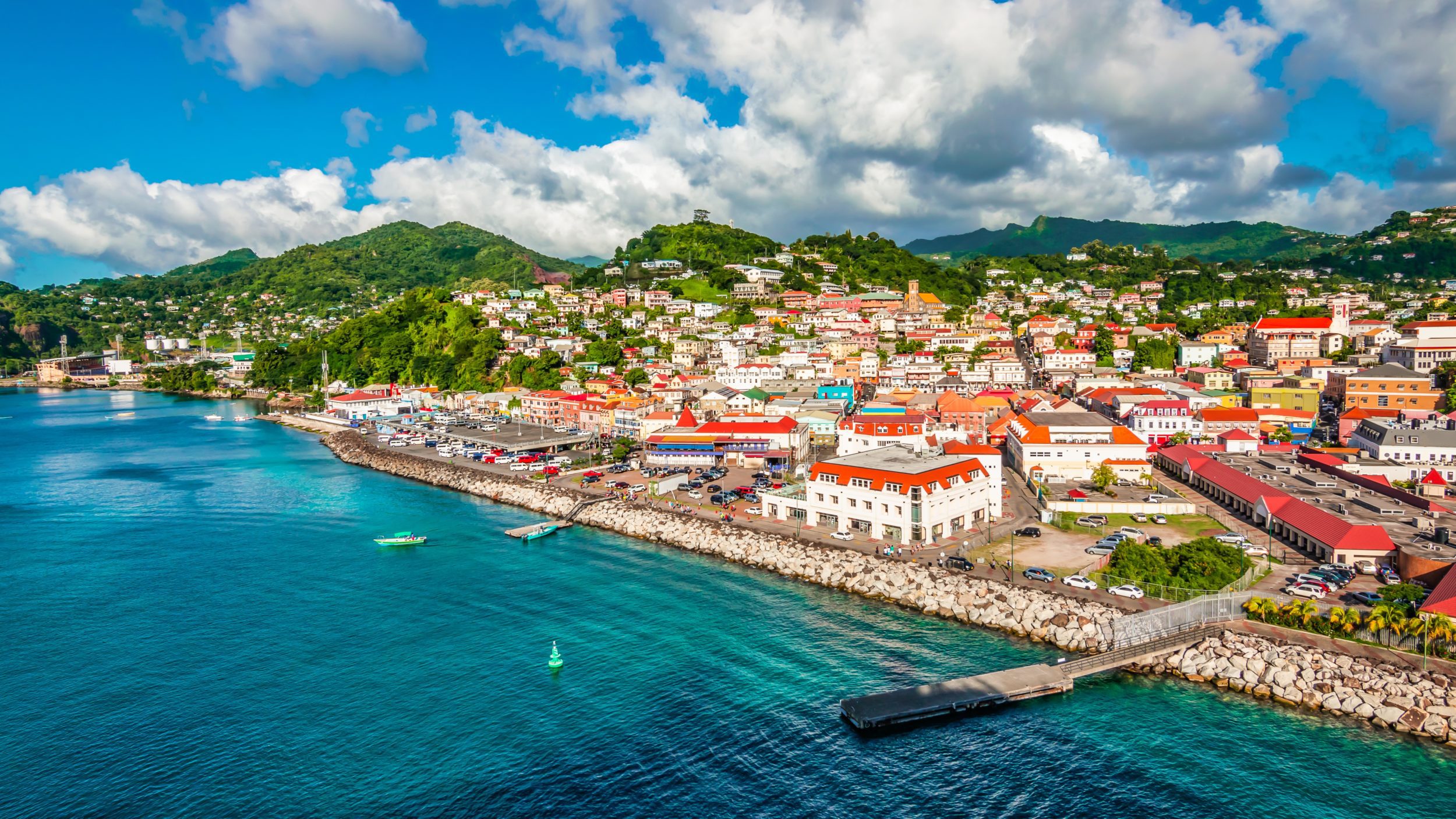
Nestled in the eastern Caribbean, the tri-island state of Grenada offers much more than its stunning beaches and lush landscapes. It’s also a prime destination for businesses looking to establish a Money Services Business (MSB). The process of obtaining an MSB license in Grenada is straightforward and offers an array of opportunities in the monetary sector.
Understanding MSBs
Before diving into the specifics of acquiring Grenada Money Service Business License, let’s clarify what MSBs are. Money Services Businesses are monetary entities that deal with various services, including currency exchange, money transmission, and check cashing. They play a significant role in facilitating financial transactions and are subject to regulatory oversight to ensure conformity with anti-money laundering (AML) and counter-terrorism financing (CTF) regulations.
The Appeal of Grenada
Grenada, known as the “Spice Isle” due to its production of nutmeg and mace, has also gained recognition as a friendly and stable field for businesses. Here’s why it’s an attractive destination for aspiring MSBs:
- Regulatory Field: Grenada’s regulatory framework for MSBs is well-established and aligned with international standards. It adheres to the Financial Action Task Force (FATF) recommendations, ensuring that MSBs are subject to robust AML and CTF regulations.
- Geopolitical Advantage: Located in the Eastern Caribbean, Grenada provides access to a wide range of international markets, making it a strategic choice for businesses with global ambitions.
- Economic Stability: Grenada boasts a stable economy with steady growth, making it an ideal environment for monetary services operations.
Obtaining an MSB Permit in Grenada
The process of acquiring an MSB permit in Grenada typically involves the following steps:
- Preparation: Before applying, ensure your commerce plan, compliance procedures, and risk assessment are compliant with the requirements.
- Application Submission: Submit a detailed appeal to the Financial Intelligence Unit (FIU) in Grenada. This appeal should include all necessary documentation and information about your proposed MSB.
- Due Diligence: The FIU will conduct due diligence on your appeal, assessing its viability and ensuring it complies with all relevant regulations.
- Approval: If your appeal meets all the criteria and is approved, you’ll receive your MSB permit.
- Ongoing Conformity: After obtaining the permit, your commerce will need to maintain ongoing conformity with AML and CTF regulations. Regular reporting and audits may be required.
Benefits and Opportunities
Grenada’s MSB license offers a multitude of profits and opportunities:
- Global Reach: Establishing your MSB in Grenada opens doors to international markets, thanks to its strategic location and well-regulated monetary environment.
- Diverse Financial Services: You can suggest a wide range of financial services, including currency exchange, remittances, and check cashing, catering to a broad clientele.
- Economic Growth: Being a part of Grenada’s financial sector contributes to the country’s economic development while providing a stable commerce environment.
A Vibrant Financial Hub
Grenada, with its burgeoning financial sector, has positioned itself as a vibrant monetary hub in the Eastern Caribbean. As the country continues to attract businesses seeking a strategic location to establish their MSBs, it’s essential to understand the extended range of opportunities available.
- Market Expansion: One of the primary advantages of acquiring an MSB permit in Grenada is the opportunity to expand your monetary services to a broader clientele. With its stable economy and growing tourism industry, Grenada provides the perfect platform for growth.
- Wealth Preservation: MSBs in Grenada play a vital role in wealth preservation. As an offshore jurisdiction, Grenada offers financial privacy and asset defence, making it an attractive destination for persons and businesses looking to safeguard their assets.
- Foreign Investment: Grenada’s welcoming environment for foreign investment is a significant advantage for those considering establishing an MSB. The government’s commitment to creating a favorable investment climate provides additional security for businesses.
- Strategic Geopolitical Location: Grenada’s strategic location in the Eastern Caribbean facilitates access to international markets. The region’s economic stability and active involvement in global trade make it an ideal hub for financial services.
- Regulatory Conformity: Grenada’s MSB regulatory framework aligns with international standards, ensuring that businesses operating within its jurisdiction comply with AML and CTF regulations. This commitment to regulatory conformity enhances the country’s reputation as a trustworthy monetary center.
- Investment in Growth: The Grenadian government continues to invest in infrastructure and policies that support economic growth. This investment translates into a stable and conducive commerce field for MSBs.
Conclusion
Obtaining an MSB permit in Grenada is a promising opportunity for businesses looking to enter the world of monetary services. With a stable economy, favorable regulations, and access to international markets, Grenada provides an excellent foundation for the growth and success of Money Services Businesses. The “Spice Isle” offers not only natural beauty but also a path to financial security, asset preservation, and strategic wealth management.