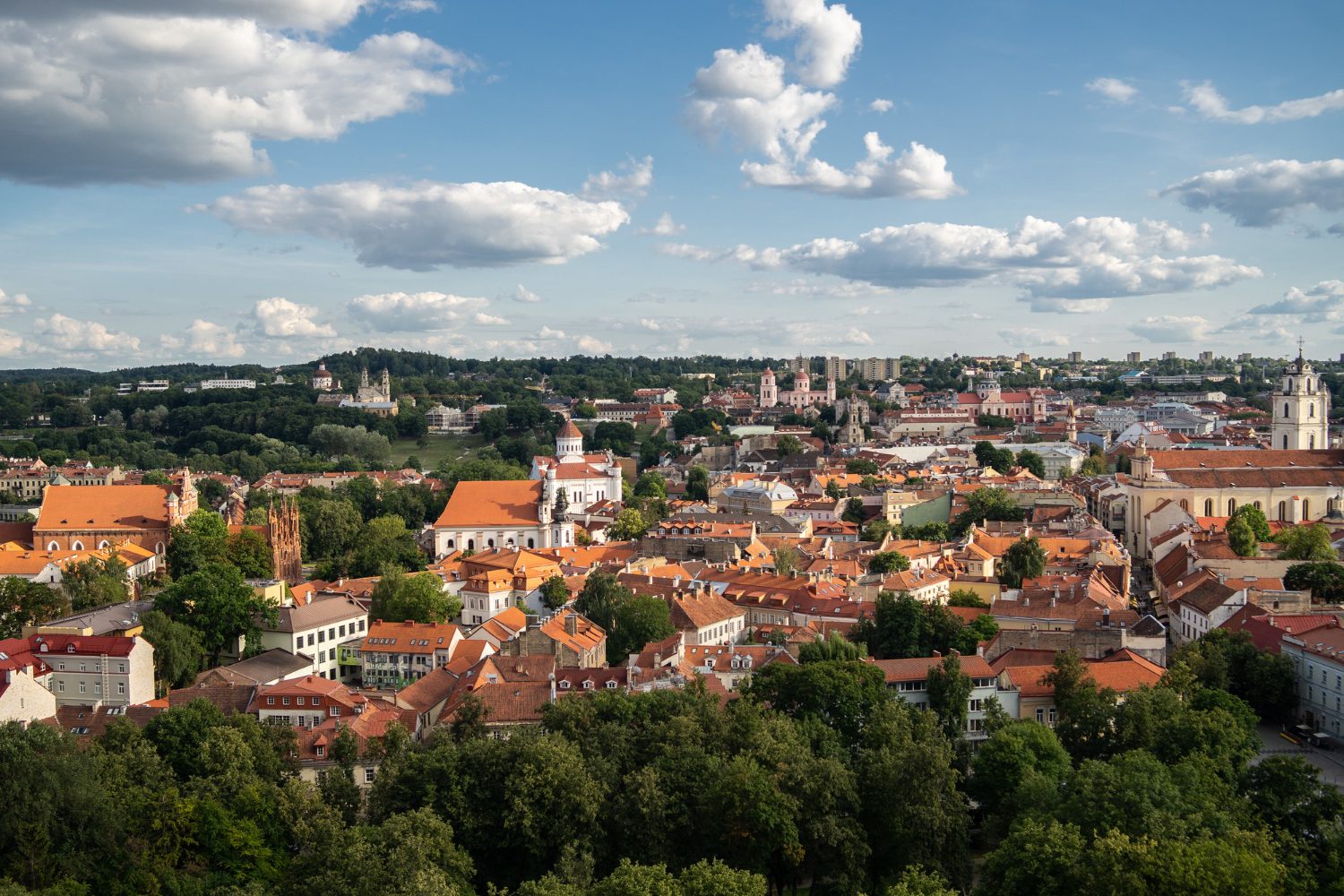
Money favors in Lithuania are quite developed and available for local residents, as well as for foreign tourists and business travelers. The state has a well-developed structure and technologies that allow providing fast and convenient payment services.
Country has a stable economy and favorable conditions for biz. The jurisdiction has a fairly low level of corruption and bureaucracy, which allows businesses to work effectively and develop. In addition, state is a member of the EU, which makes it possible for firms that have received a PSP license in Lithuania to work on the European market without the need to obtain separate licenses in each EU country.
The fintech industry in state has become very popular over the past few years and has become one of the key sectors of the country’s economy. Lithuania occupies a leading position in Europe for the development of Fin-Tech startups, so it is a very attractive place for those who want to develop their business-company in this field.
One of the advantages of country is the easy process of registering a firm and achieving a license to give monetary services. The Bank of Lithuania offers a simplified registration procedure that allows firms to register their business in a very short time and obtain the necessary licenses.
In Lithuania, there are many companies working in the fintech sphere, in particular, payment systems, e-money and other financial services. In addition, country has a favorable ecosystem for startups, which includes financial means and support from public and private organizations.
Benefits of obtaining a permission
Acquiring a permit in state has several advantages for firms that give money favors. Here are some of them:
- European market. Lithuania is a member of the European Union, which allows firms that have received a PSP license in Lithuania to work on the European market. This makes it possible to supply favors in EU states without the need to obtain separate licenses in each country.
- Market stability. Country has a stable economy and favorable conditions for biz. This creates favorable conditions for the development of companies that give money favors.
- Easy license process. The process of acquiring a permission in state is relatively simple and fast compared to other EU states. In addition, the Bank of Lithuania usually provides assistance and advice to applicants, which greatly facilitates the process of achieving a license.
- Low costs. Lithuania has fairly low costs for obtaining a PSP license compared to other EU countries. However, costs may vary depending on the size of the business-company, type of favors and other factors.
- Developed structure. Lithuania has a well-developed technical structure and access to advanced technologies.
Requirements for PSP license
A financial favors license is needed for any firm wishing to give money services in country. To obtain a license, you must meet certain demands and go through a certain process.
- The main demands for achieving a PSP permission include the next:
- Enroll a firm in country and have a physical address.
- Ensure a sufficient level of fund – the minimum authorized fund to obtain PSP license in Lithuania to apply money favors is 125,000 euros.
- Have qualified managers and founders of the business firm with relevant knowledge in the field of payment favors.
- Have a developed policy against money laundering and terrorist monetaring, as well as a policy for handling customer information.
- Have a technical and organizational infrastructure for the provision of money favors that meets the requirements for payment service providers of regulatory authorities.
PSP license achieving process
Acquiring a permit in lawfulments can be a complicated and lengthy process, but it can be simplified by following some steps.
- Develop a business plan and determine the types of payment services you plan to apply. Study the Lithuanian legislation on money favors, as well as the Bank of Lithuania’s recommendations for obtaining a permit.
- Enroll a firm in Lithuania. To do this, it is necessary to contact the local registration authorities and provide the necessary documents, such as the company charter and registration card.
- Ensure adequate level of fund. To obtain a PSP license in Lithuania, it is needed to have a minimum authorized capital of EUR 125,000.
- Develop policies against money laundering and terrorist monetaring. It should inclusive customer identification procedures, control of financial transfers, tracking of excessive transfers and reporting of suspicious transfers.
- Find a manager with relevant knowledge in the field of payment favors and qualified employees.
- Prepare the needed documents and apply an request to the Bank of state. The legal papers should contain info about the company, its business reputation, anti-money laundering and anti-terrorist monetary policies, personnel workmanships and other important details.
Documents that need to be prepared
In order to obtain a permit for the provision of money favors in state, it is needed to prepare a wide list of papers, which may include the following:
- The company’s business plan, which should contain information about the business model, growth strategy, marketing strategy and other key indicators.
- Articles of Association and other official documents certifying the registered firm.
- Documents that confirm the appropriate qualifications of the company’s personnel, who will be engaged in the provision of payment favors.
- List of states with which the firm plans to carry out payment card transmissions and other details regarding the transfer of funds.
- Detailed info about the company’s owners, administration and controlling persons.
- AML and terrorist financing policy.
- Documents that confirm the monetary stability of the company, including the balance sheet, profit and loss statement and other relevant documents.
- Standard contracts with counterparties that supply services to the firm.
- Other relevant papers that may be needed for request.
It is important to prepare all the necessary papers in advance and check them in detail for compliance with the demands of the Bank of Lithuania. In case of an incomplete or insufficient set of papers, the processes of obtaining a license may be delayed or rejected altogether.