If you’re considering a property for sale in Portugal, you’re likely curious about the myriad of householdings variants available. From the urban flats of Lisbon to the rustic quintas of the villages, this region suggests a rich tapestry of building designs and residential agreements that satisfies various tastes and desires. Apprehending the myriad types of homes and their regional characteristics is vital when searching for a property for sale that meets your anticipations.
General Breakdown of Housing Types
Portugal’s housing trading segment is diverse, reflecting the country’s rich heritage, breathtaking views, and cultural influences. Whether you’re searching for a sleek flat in the town or a conventional farmhouse in the rolling hills, you’ll find a wide range of options. The country’s architectural designs are heavily influenced by its past, with traces of Roman, Moorish, and Mediterranean design elements visible in many house holdings. This diversity is evident in both town and village settings, offering potential consumers a broad spectrum of choices.
Typology of Flats
When searching for a flat, especially on the internet, you’ll quickly encounter the “T” typology. This system can initially be confusing to those unfamiliar with it, but it is actually quite comprehensive. The “T” followed by an amount indicates the amount of chambers in the flat. For example:
– T0: A studio flat with no separate chamber. This type of flat typically includes: open space for living that combines the bedchamber, lounge, and food preparation area, along with one bathroom. T0 flats are often not very spacious and ideal for singles or young people. They are more common in town centres, particularly in big agglomerations, like the capital, where space is at a premium.
– T1: A flat with one chamber. This type of householding generally includes a separate bedchamber, a lounge area, a culinary space, and a bathroom. T1 flats suggest more privacy and are suited for two people or people who require more space than a T0.
– T2: A two-bedchamber flat. These flats are popular among small families or people who need an additional room for visitors, a work space, or a child’s room. T2s are widely available in both urban and suburban regions.
– T3 and above: Flats with three or more chambers. These are exemplary for larger families or those who simply desire more space. T3 and larger flats often come with extra facilities such as wider culinary space, multiple bathrooms, and more substantial lounge zones.
Architectural Characteristics of Portuguese Flats
The design of the block of flats differs contingent upon the region and age of the building. However, some common aspects distinguish conventional flats:
– Tall Glazing: Many older houses in this region have picture windows, elegant openings that allow for plenty of light. These openings often have wooden shutters, adding to the charm and character of the space.
– Small Balconies: Balconies are a common feature in Portuguese apartments, especially in towns. They may be small, but they provide a cosy outdoor space for enjoying a morning coffee or watching the world go by.
– Colourful Facades: Portuguese houses are often adorned with bright colours, reflecting the country’s sunny weather conditions and lively culture. The use of traditional azulejos (ceramic tiles) on the exterior walls is also a common sight, especially in big towns.
Types of Residences
Beyond flats, this destination suggests a plenty of house types, each with its own unique qualities. The choice between these contingents upon personal preference, daily routine, and location.
Standalone houses, separate and do not share walls with neighbouring house holdings. They suggest the most privacy and usually come with larger plots of land, making them ultimate for families or those who like to live close to nature. These residences are more commonly nestled in sub urban regions, cities, and rustic areas. The design of detached residences can range from sophisticated designs to conventional styles, contingent upon the region.
– Location: Suburbs, towns, rural areas
– Advantages: Privacy, larger outdoor spaces, potential for gardens or pools
– Best For: People with children, those seeking peace and quiet, gardening enthusiasts
Duplex, share one wall with an adjacent house. They offer a good balance between privacy and affordability, making them famous among first-time homebuyers and those searching for a householding in a community setting. These houses are common in both suburban regions and smaller towns.
– Location: Suburbs, small cities
– Advantages: Budget-friendly, neighbourhood, some space outdoor
– Well-matched for: First-time buyers, small families, those searching a balance of privacy and community
Residences are wide and wealthy homes often situated in more affluent regions. These householdings are second homes or vacation residences for both locals and foreigners. This type of householding often comes with extensive facilities like swimming pools, breathtaking panorama, etc., making them exemplary for those searching a wealthy lifestyle.
– Location: Coastal regions, countryside, affluent neighbourhoods
– Advantages: Luxury living, large outdoor spaces, scenic views
– Best For: Families, vacationers, those searching wealthy and privacy
Quintas are conventional rustic ranchos that are often set on large parts of land. These householdings are steeped in history and are most commonly nestled in the countryside, such as the northern regions of this region, as an example the Douro Valley. Quintas come with orchards, vineyards, or other types of agricultural land, making them perfect for those interested in rural lifestyle or ventures in the agricultural sector.
– Location: Rustic area, particularly in the North
– Advantages: Large parts of land, potential for agriculture, vintage allure
– Best For: Rural living, agriculture, history enthusiasts
Condominiums are privately managed gated communities with individual units. These complexes often come with extra facilities such as swimming pools, security services, etc, providing a superior quality of life. Condominiums are famous among both locals and expatriates, especially in towns and seashore areas.
– Location: Urban areas, coastal regions
– Advantages: Security, shared amenities, public lifestyle
– Best For: Families, expatriates, those searching a secure residential surroundings
Area-specific differences in Housing
Portugal’s diverse geography means that housing types can vary vitaly from one region to another. Here’s a brief overview of how housing styles differ across the region:
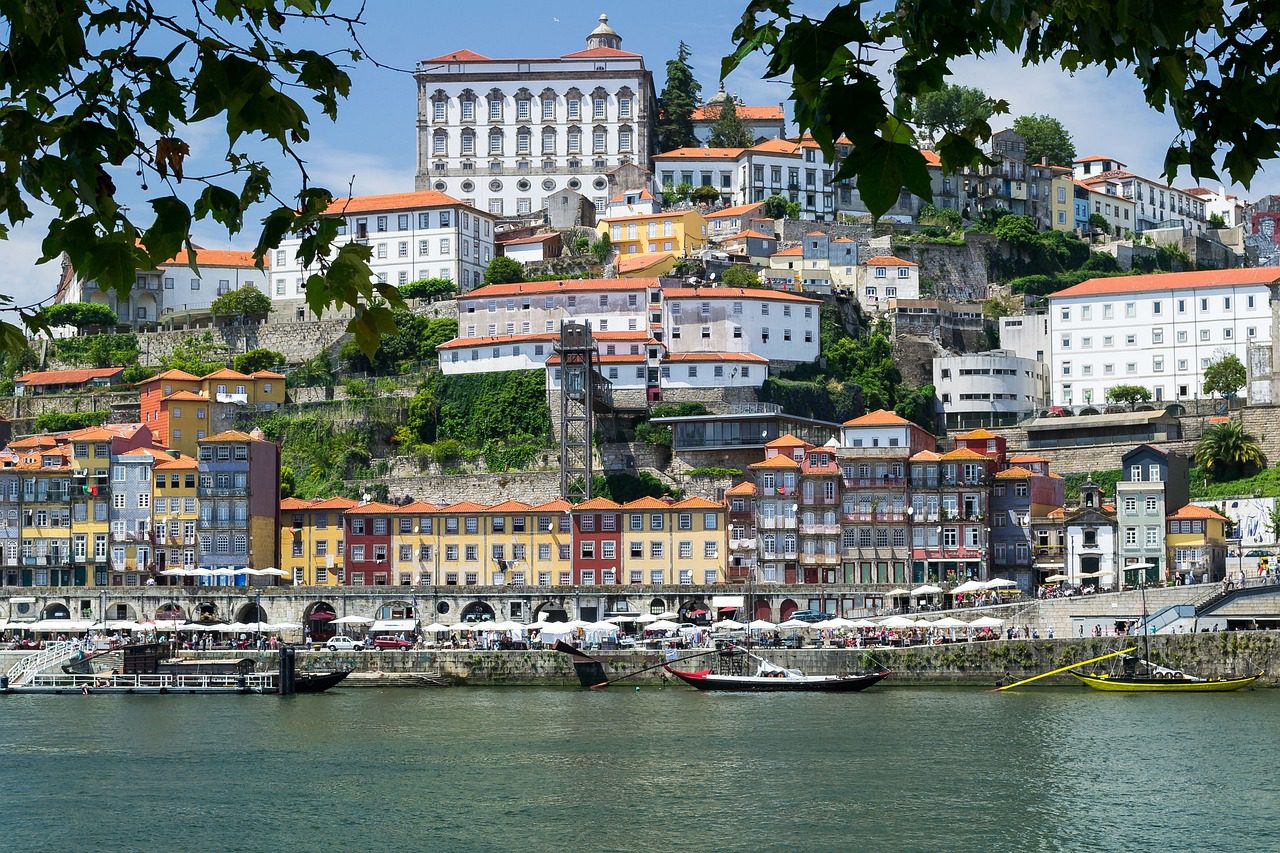
– Lisbon and Porto: These urban towns are known for their buildings, often featuring the aforementioned tall openings, small balconies, and colourful facades. Flats are the most common type of housing in these cities, though luxury villas can also be found in the more affluent suburbs.
– Algarve: The southern part is known for its breathtaking seashores and warm weather conditions. Here, villas and vacation homes are particularly popular, often boasting Mediterranean-style architecture with whitewashed walls, terracotta roofs, and wide outdoor spaces.
– Northern Portugal: is famous for its quintas, these conventional ranchos are set amidst grapevine yards and fruit plantations, suggesting a rural and tranquil lifestyle. The architecture here often come with stone constructions and earthy tones.
– Central Portugal: This direction suggests a complex of householding types, comprising detached houses and quintas. The landscape here is varied, with rolling hills, forests, and rivers, influencing the style and construction of homes.